Britain steps outside: how active lifestyles are thriving despite economic pressure
In a country where household budgets remain under pressure and people are increasingly prioritising how they spend their time and money, new research commissioned by Bauer Media Outdoor shows that active lifestyles are becoming a bigger part of everyday life. From early morning run clubs to the rise of padel, people are finding more ways to get active and socialise, with 38.5% of UK adults now spending more time outdoors than they did a year ago.
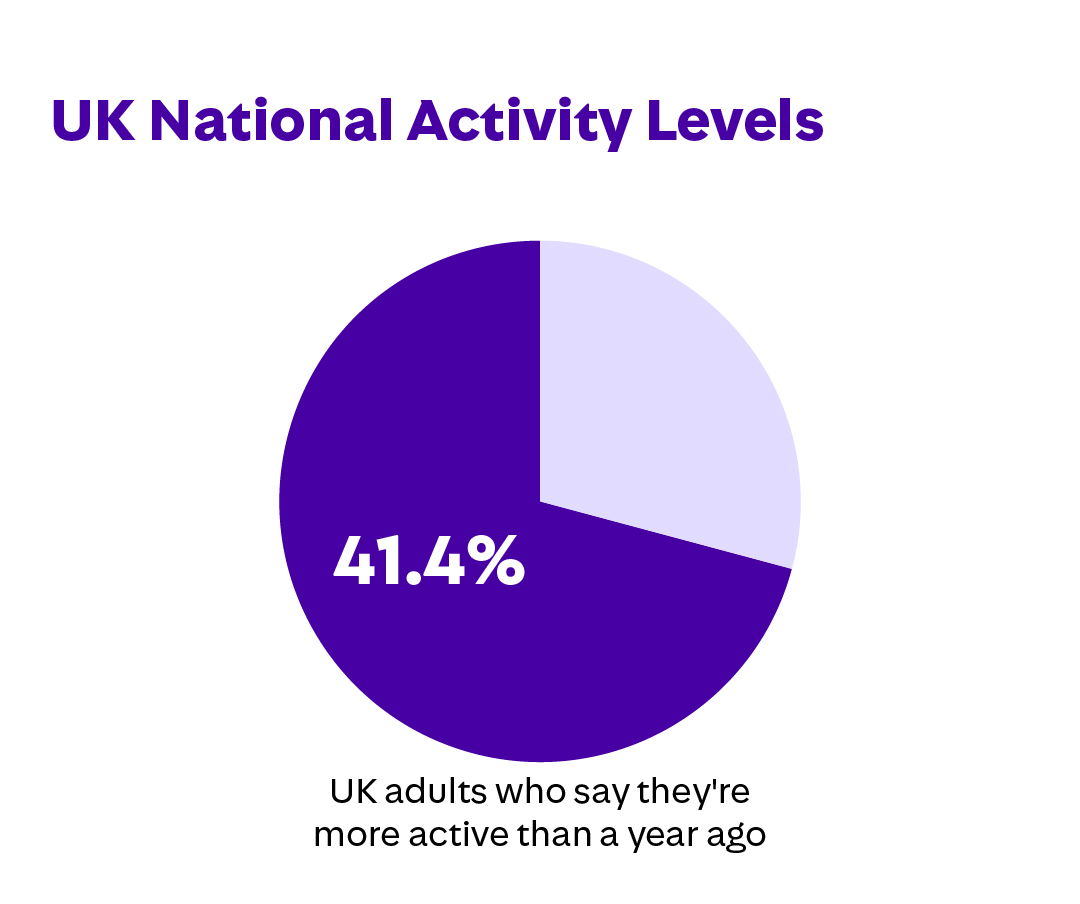
58% of UK adults now take part in some form of social fitness activity, from run clubs and group fitness classes to walking groups and team sports, with 16% taking part several times a week. The shift goes beyond social fitness too, with 41.4% of UK adults saying they are more active than they were a year ago and 38.5% spending more time outdoors in their free time. Together, the findings show that active lifestyles are becoming an increasingly important part of how people across Britain spend their time.
From run clubs to padel
Walking and hiking remain among the most popular ways for people to stay active, but newer activities are also gaining momentum. Padel is a good example. While just 8.3% of UK adults have played in the past 12 months, 18% say they are likely to try it in the year ahead, more than double the figure for any other activity surveyed. From established activities to emerging trends, the findings show that people are embracing an increasingly varied mix of ways to get active and socialise.
Where Britain moves the most
London leads most of the country on pure participation alone, with the lowest percentage of adults saying they never take part in social fitness (26.1%) and the highest saying they do several times a week (29.5%). Outside of London, the West Midlands shows the sharpest rise in outdoor time, with 13.5% of adults saying they’re now spending more time outside than they were 12 months ago, which shows the shift towards spending more time outdoors isn’t one that is seen in just the capital. Meanwhile in Wales, they lead Britain in terms of future intent, with more people in Wales planning to try padel for the first time next year, showing that it’s not just London or other huge cities that are looking to get into padel.
The shift across generations
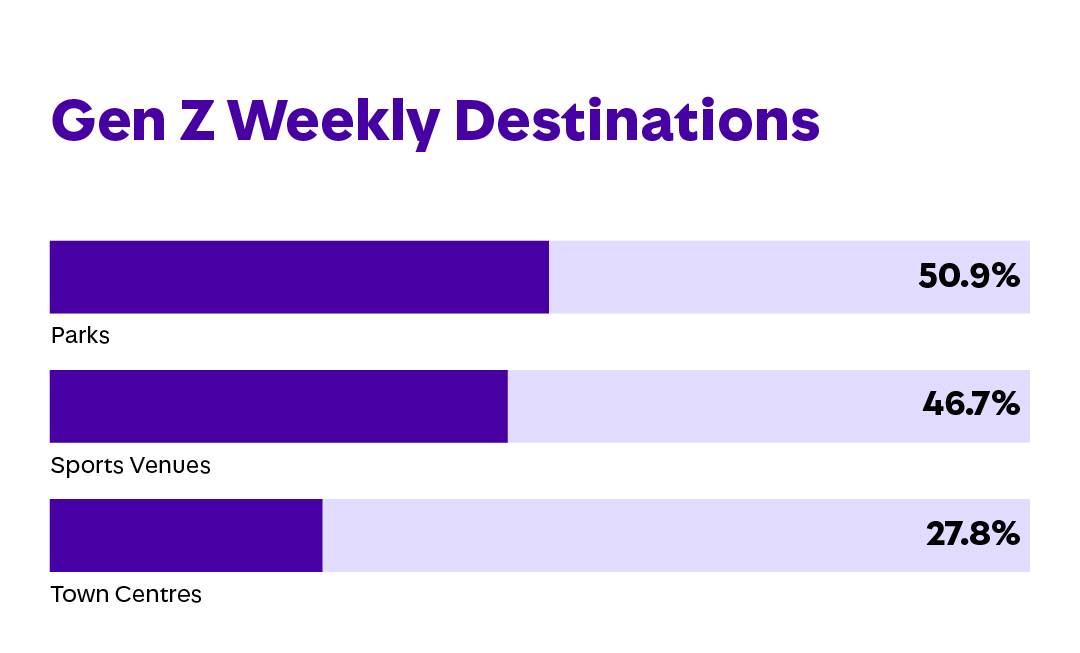
Gen Z shows one of the clearest shifts in behaviour. 71.1% say they’re more active than they were a year ago, while 65.7% say they’re spending more time outdoors in their free time. That activity is playing out in public too, with Gen Z more likely than any other generation to visit parks (50.9%), sports venues (46.7%) and town centres (27.8%) at least once a week as part of their active lifestyle. They’re also moving through these environments in different ways, with just 45.9% usually travelling to exercise or leisure activities by car, alongside high levels of walking and public transport use. The findings show that younger audiences aren’t just becoming more active, they’re spending more time out and about in the real world too.
Spending on being active, even when times are tight
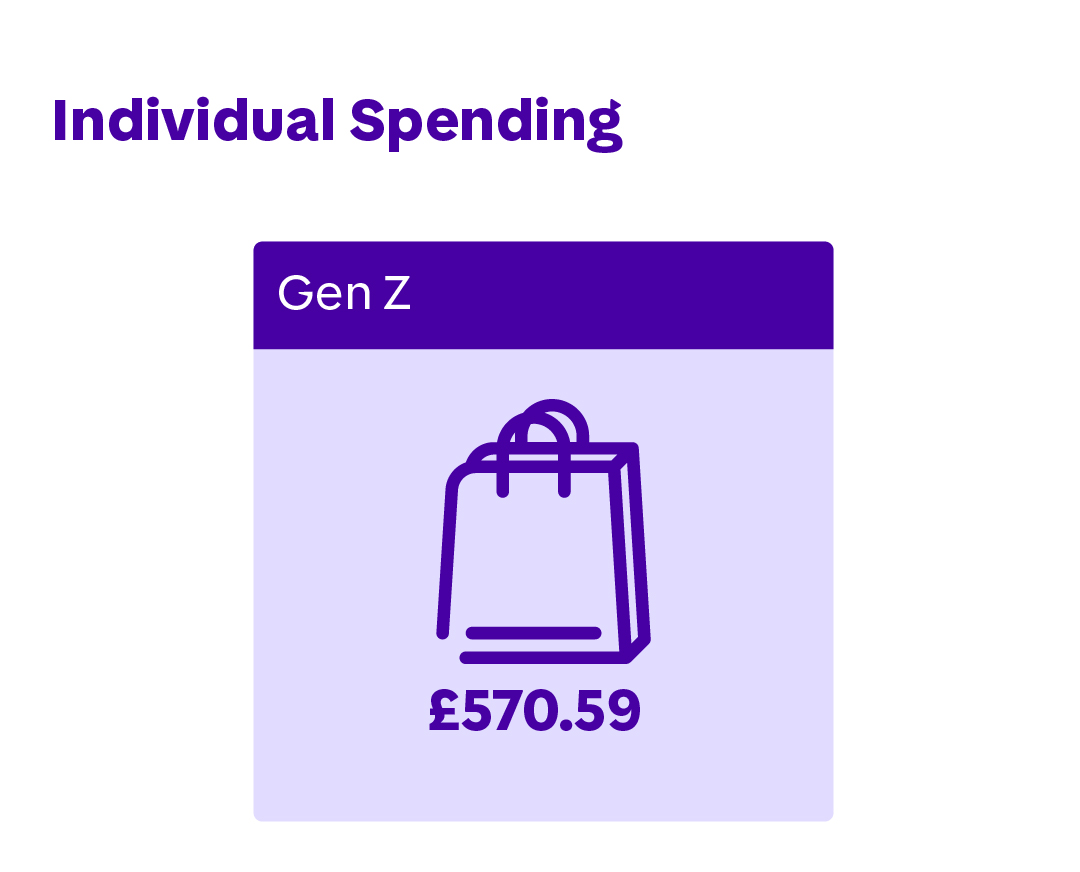
Among UK adults who say they are spending more as a result of being active, the average additional spend is £45.22 a month, equivalent to more than £540 a year. Sportswear, fresh food and healthy snacks top the list of categories seeing increased spend. For Gen Z, average additional spend rises to £570.59 a year, showing how active lifestyles are influencing not just how people spend their time, but where they spend their money too.
More than a fad, a trend here to stay
The research paints a clear picture of a country changing how it spends its time and money. Shared, active experiences are becoming a more established part of everyday life, with people getting more active, spending more time outdoors and investing more in the lifestyles that support them.
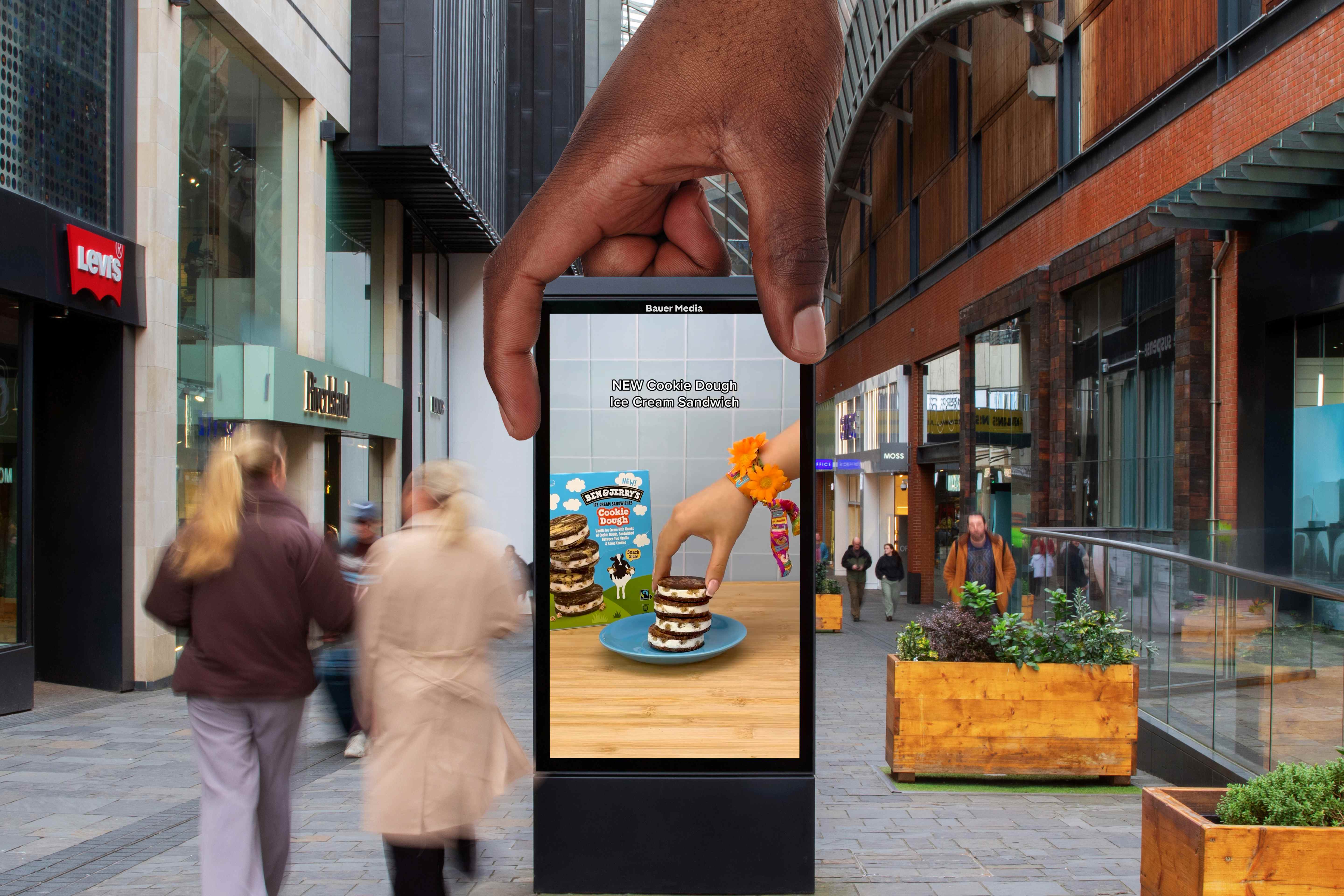
As Britain becomes more active, people are spending more time out of home too. In fact, 38.5% of UK adults say they’re spending more time outdoors than they were a year ago. As people travel to activities and move through parks, sports venues, town centres, high streets, retail destinations and transport networks, brands have more opportunities to connect with active audiences in the real world.
Notes: Research conducted by OnePoll on behalf of Bauer Media Outdoor. Sample size: 2,000 UK adults. Fieldwork dates: 4th - 7th August 2026. The sample is nationally representative by age, gender and region.
Related articles
Your social content could be your most underused DOOH asset. Stop creating more. Start amplifying what already works.
In today's fragmented media landscape, brands are under constant pressure to create connected campaigns that deliver consistency across channels. Yet many still plan social and digital Out-of-Home (DOOH) separately. That may be a missed opportunity.