Everything you need to know about billboard advertising
Billboard advertising is a form of outdoor advertising that uses large-format sites to help brands reach broad audiences in busy roadside and pedestrian locations. Learn more below.
Billboard advertising is a form of outdoor advertising that uses large-format sites to help brands reach broad audiences in busy roadside and pedestrian locations. Learn more below.

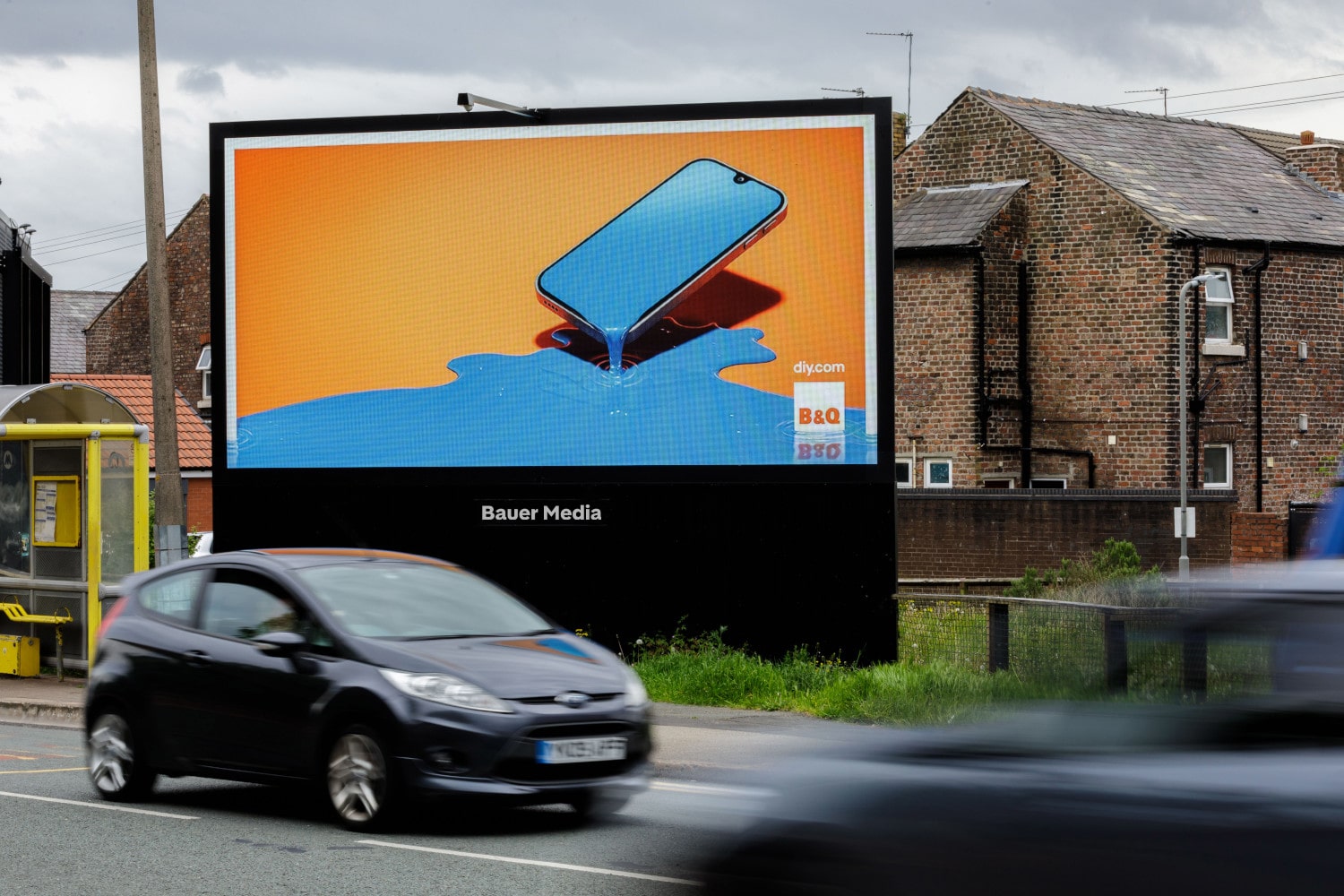
A billboard is a large board that’s used as advertising space by brands looking to promote their products and amplify their reach. Billboards are typically around 3m x 6m, but sizes vary, with both bigger and smaller formats available. While billboards have historically been static, with the poster printed off and mounted on a large frame, recent years have seen a shift towards digital billboards.
Most billboards are set up in high-traffic areas, where their dominating appearance can be utilised to the full extent. Arterial routes in and out of city centres are popular choices for billboard placement, as are motorways and other major roads. Some billboards are designed to target pedestrian traffic. These tend to be placed in areas with heavy footfall, such as commercial districts or near entertainment venues.

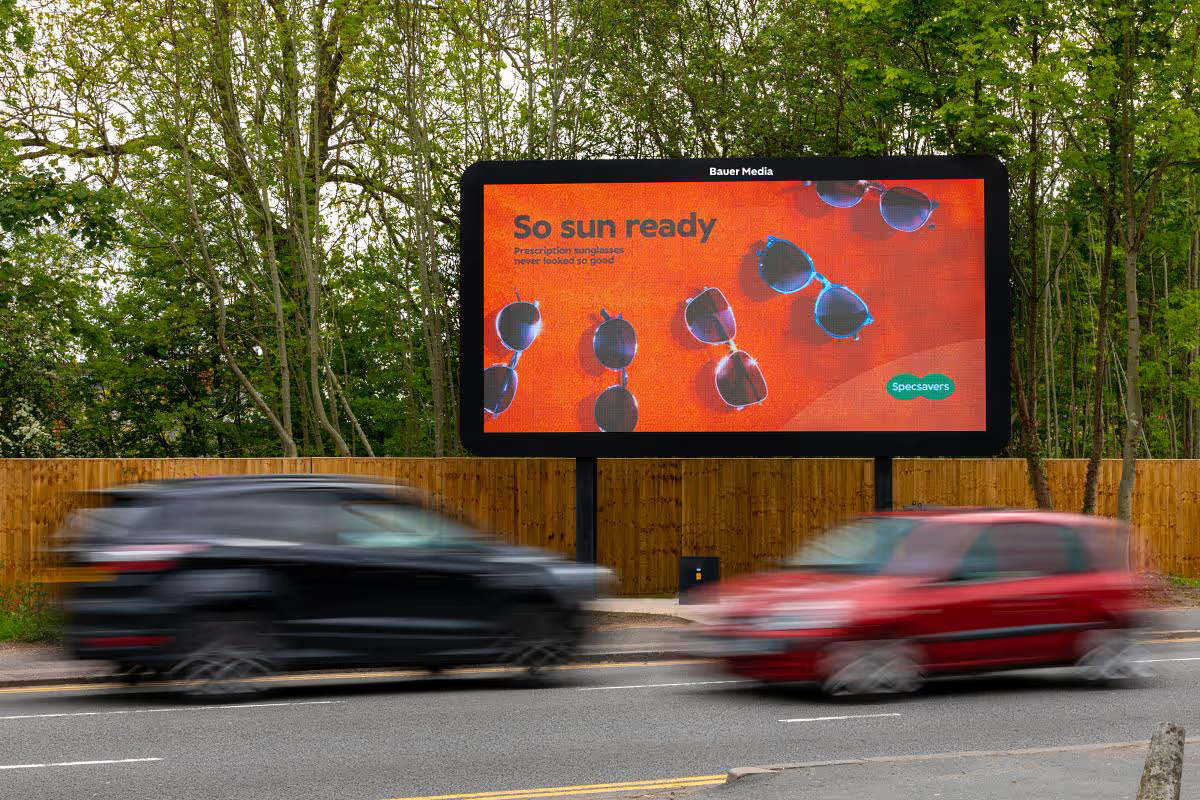
Billboard advertising is one of the most effective ways to build brand awareness at scale. From roadside formats to high-impact city placements, discover how billboard campaigns help brands reach audiences in the moments that matter.
Billboard advertising is a type of outdoor advertising that uses prominent display boards to capture the attention of passing vehicles and pedestrians. These billboards are placed in the areas where they’re most likely to reach large and diverse audiences. They are also sometimes found in places where people might be stationary for a while, such as heavily congested rush-hour routes or outside a sports stadium where fans have to wait in line.
Billboards are one of the oldest forms of advertising, with the first known instance dating back to Ancient Egypt. During this period, merchants would carve hieroglyphics into large pieces of stone that were then displayed outside their shops as a way of promoting the products inside.
Fast forward to the 19th century when billboards as we know them were born. As printing techniques advanced, their popularity rapidly gained traction and by the 1930s, iconic sites like Times Square in NYC looked as easily recognisable as they do today.
When it comes to the creative, billboard advertising offers a lot of flexibility. Some brands take advantage of the size to convey their message with a simple but bold text campaign, while others go all out on bright, eye-grabbing visuals. Those looking to project a more sophisticated tone might opt for a sleek, minimalist design. Animations, graphics, and videos can be used to varying degrees.
The exact aim of billboard advertising depends on the individual brand and campaign. But, in general, advertisers will seek to drive sales, increase brand awareness, promote a new product, or all of these combined. The reason they turn to billboard advertising time and time again is because of the creative freedom it provides and its proven track record of reaching large audiences with attention-grabbing designs.
Most billboards are owned by media companies or specialist Out of Home media owners, like Bauer Media Outdoor. These companies offer quick and effective outdoor advertising solutions to brands of all sizes through their extensive networks of billboards and other Out of Home advertising formats.
Interested in learning more about OOH advertising? Fill in our form and one of our team will be in contact shortly to answer your questions and get started on your next campaign.
There are several types of billboards, so advertisers have a great range of options to meet their needs. Some of the most common types of billboards are
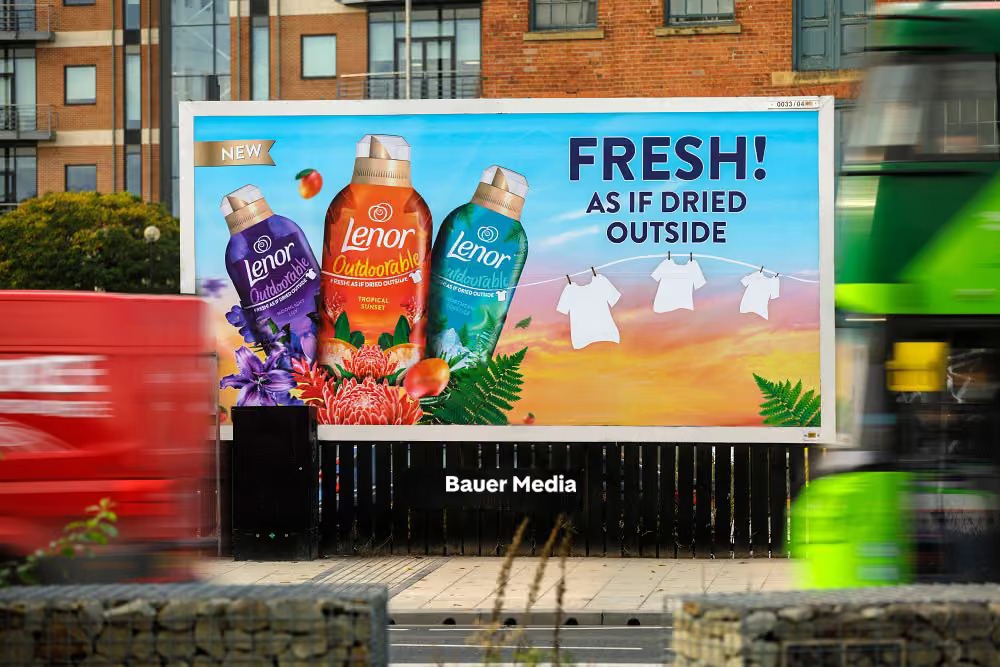
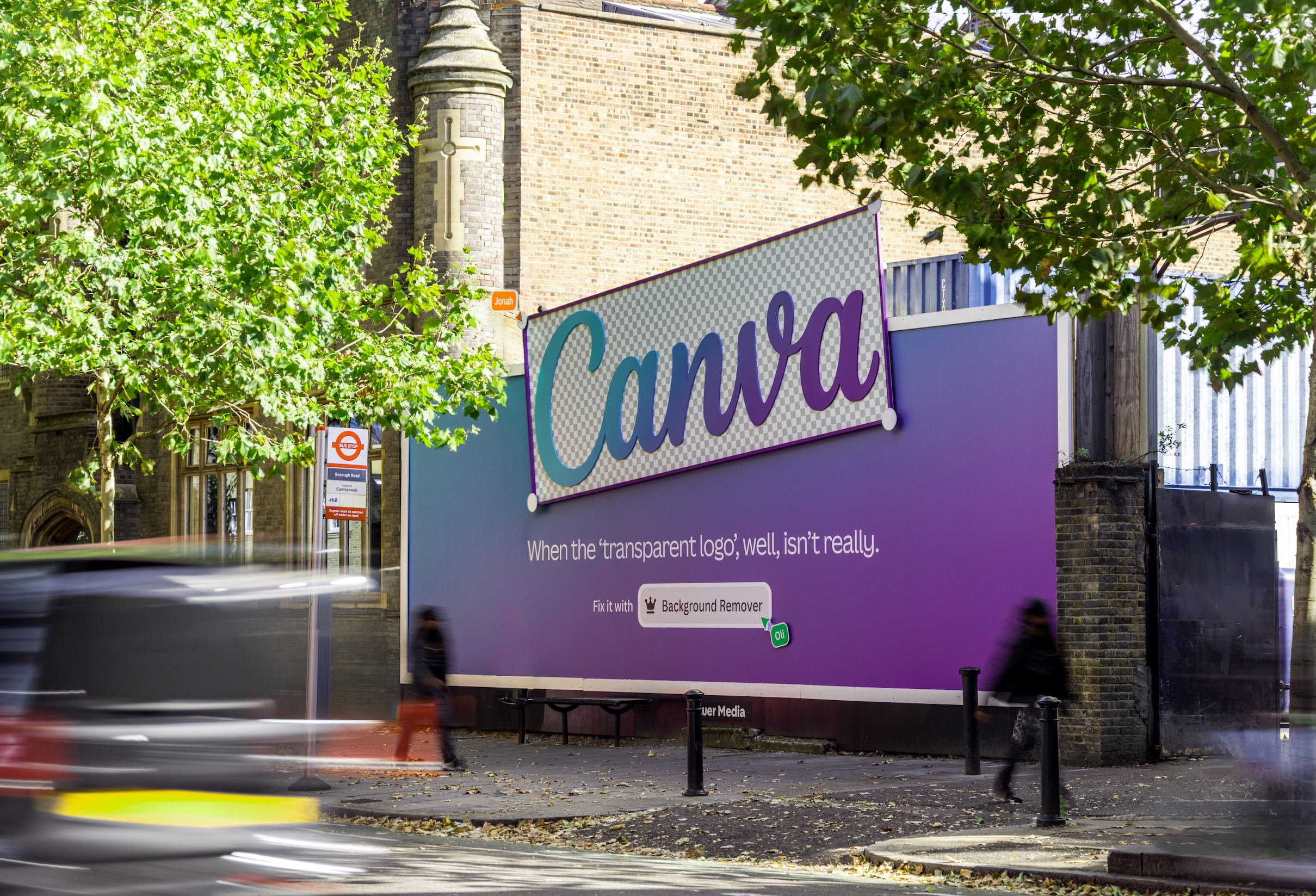
Static billboards are what spring to mind when most people think of billboard advertising. They consist of a printed advertisement which has been mounted onto the frame manually and are completely static with no digital elements. 48-sheet (3m x 6m) and 96-sheet (3m x 12m) are the standard sizes for static billboards.
Traditionally, static billboards used paper but over time, vinyl printing has become the favourite choice. This is because of its better suitability for withstanding aggressive weather conditions like wind and rain. Durability is one of the main reasons to choose a static billboard over other types, but they don’t benefit from the interactive features that a digital billboard enables, for example.
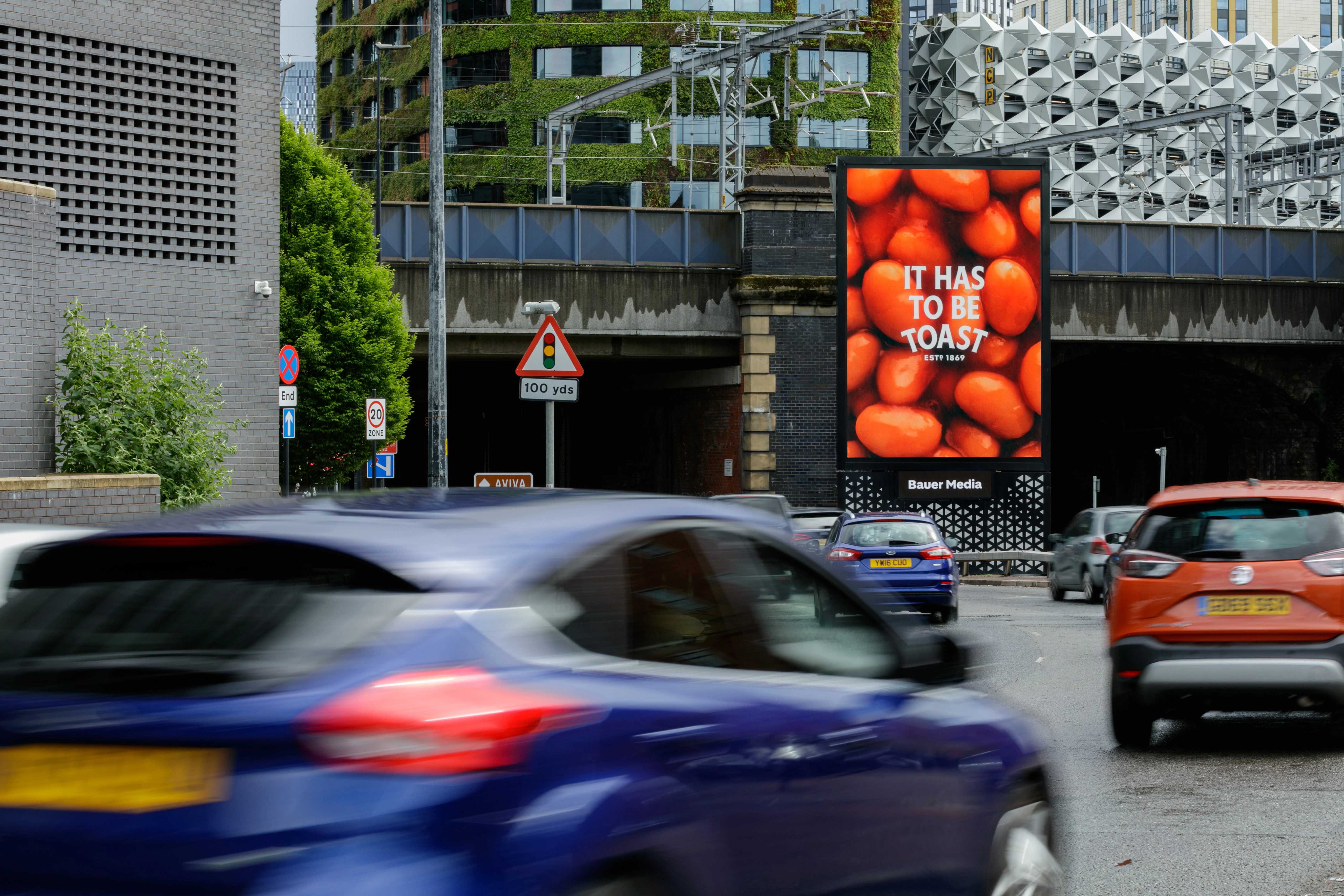
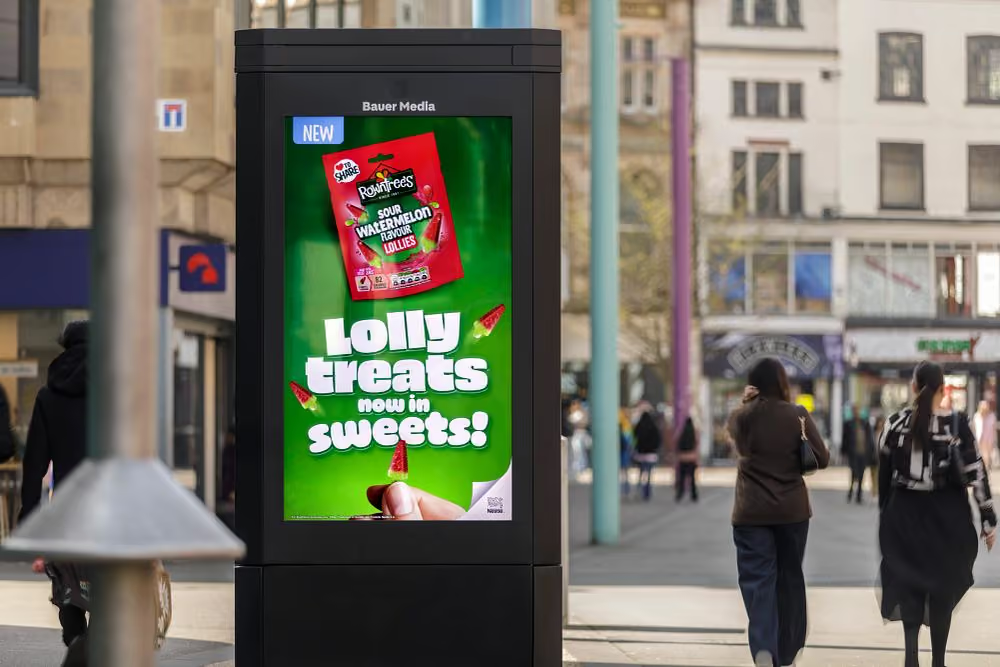
Digital billboards make use of modern technology to upgrade the billboard experience for both consumers and advertisers. They are typically made using LED or LCD screens and can display videos, animations and other types of media that static billboards can’t facilitate. Creatives can be updated remotely, without any need to attend the site.
Digital billboards offer many advantages, mainly in the form of flexibility. Dynamic messaging, interactive adverts and real-time updates are all possible, making it easier to engage customers. Formats generally span 48 sheets, as is the case with our industry-leading Billboard Live network.

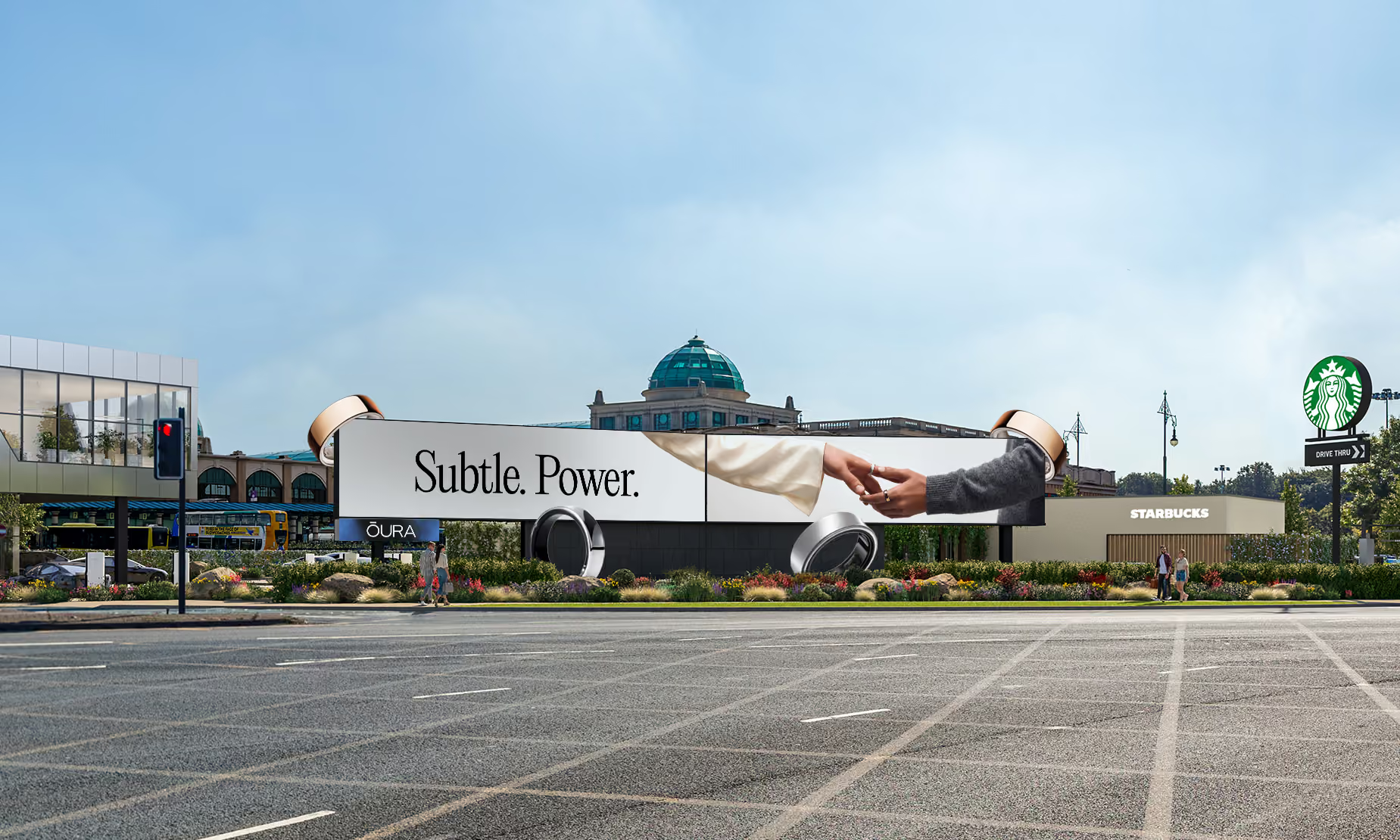
Custom billboards are perfect for advertisers who dare to think outside the box. They can incorporate elements of both static and digital billboards, depending on the campaign requirements. This can make them more expensive than other billboards, but their uniqueness is so effective at driving activity that the extra cost is often outweighed by the ROI.
Custom billboards often involve three-dimensional features that help to draw the eye and create a more memorable experience. Clever lighting is also often used, along with projections and augmented reality.

Billboard advertising has been around for centuries, and for good reason – there are multiple ways it can benefit businesses both large and small. Let’s take a look at some of the advantages of billboard advertising
While the average cost of billboard advertising in the UK is estimated at a few hundred pounds per week, there is a huge range of factors that can affect that price. They include:
The most obvious – and often most significant – factor that influences the cost of billboard advertising is the location of the billboard. As a rule of thumb, billboards in urban areas like cities command a higher price per week, while slots in suburban areas are generally available at a cheaper cost.
However, it’s important to note that it’s not really the location that affects the price, but the population density, pedestrian footfall or road traffic levels of the area. It stands to reason that billboards in cities are seen by greater audiences, and are therefore more valuable, but billboard pricing varies within city centres, too.

The size of the billboard is another factor in how much it costs. Generally speaking, the larger the billboard, the higher the price of advertising on it. This is not just because there’s more space to use for messaging or imagery, but also because larger billboards tend to draw more attention.
With traditional billboard advertising, there’s also the cost of producing the prints to take into account. A larger billboard to fill means a bigger print job, which will naturally cost more.

How long an advertisement will occupy a billboard is also a factor in the price of the space. The longer an advertisement is displayed, the more it will cost. The reasoning behind this factor makes perfect sense - more time means more attention.
This factor also accounts for the additional value that having an advertisement in the same place for a longer period of time offers. Traditional billboards work on a sole occupancy basis, providing brands with the benefits of uninterrupted marketing and ensuring that the same people will see their message multiple times. This is particularly true in city centre locations, where a billboard might be placed on someone’s daily commute path.
It’s generally accepted that multiple marketing touchpoints are required to gain the attention and trust of modern consumers. Adverts placed on billboards positioned on routes people take daily are a way of achieving those touchpoints.
Brands can still achieve daily touchpoints without paying for a continuous two-week slot, though. Digital billboards have heralded a new age of flexibility in the world of Out of Home, giving brands the ability to reach specific audiences by displaying content at set times or on set days.

Any concerns about how effective billboard advertising is at capturing consumer attention or building interest in your brand are easily allayed by some simple statistics.
Firstly, there’s evidence that billboard adverts are highly visible, with a study by Nielsen showing 75% of people remembered seeing at least one billboard in the previous month. The same study found that 71% of people think billboards stand out more than online ads, meaning they have the capacity to penetrate. And, most importantly, 55% of people surveyed said they have been ‘highly engaged’ by messaging on a billboard.
A separate study from Top Media Advertising found that 26% of consumers have visited a store as a direct result of seeing a billboard advertisement. Billboards can not only engage, but also activate consumers and drive further action.
In short, billboards are still a highly effective way of reaching consumers. A 48-sheet poster is seen on average 170,000 times over the course of a fortnight, while this figure rises to 370,000 for a 96-sheet billboard. Our classic billboard network alone reaches 57% of UK adults fortnightly, according to data from Route 41.
Bilboards offer the potential to capture people’s attention at scale, give you the capacity to target different demographics in diverse locations and can be more impactful than ads delivered through other mediums.
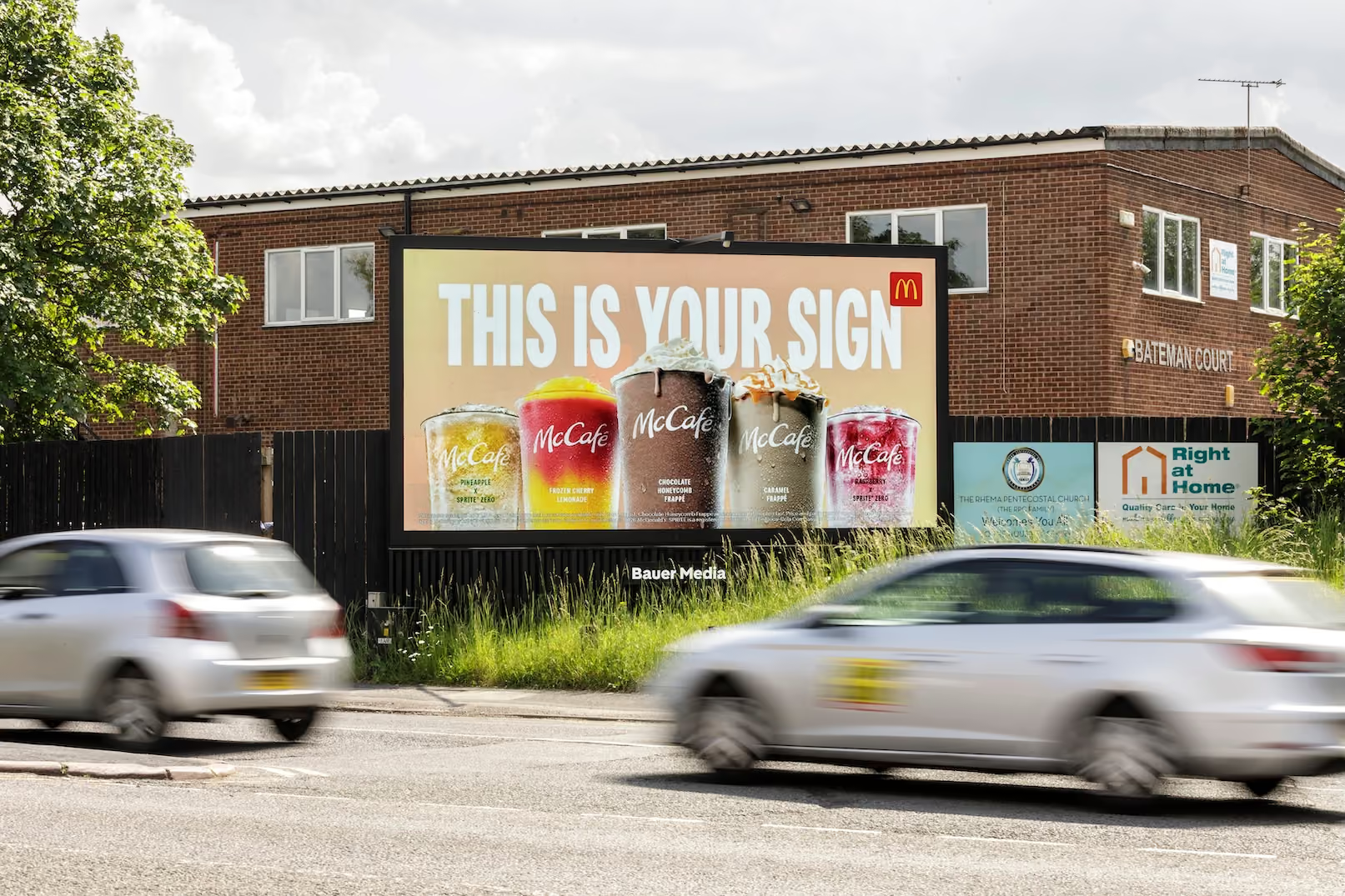
If you want to reap the rewards of billboard advertising, either as your primary marketing channel or as part of a broader multi-channel campaign, we can help. As one of the UK’s leading Out of Home media owners, with over one thousand billboard slots spanning print and digital, we can get your message in front of the people you need to reach.