Living Roofs
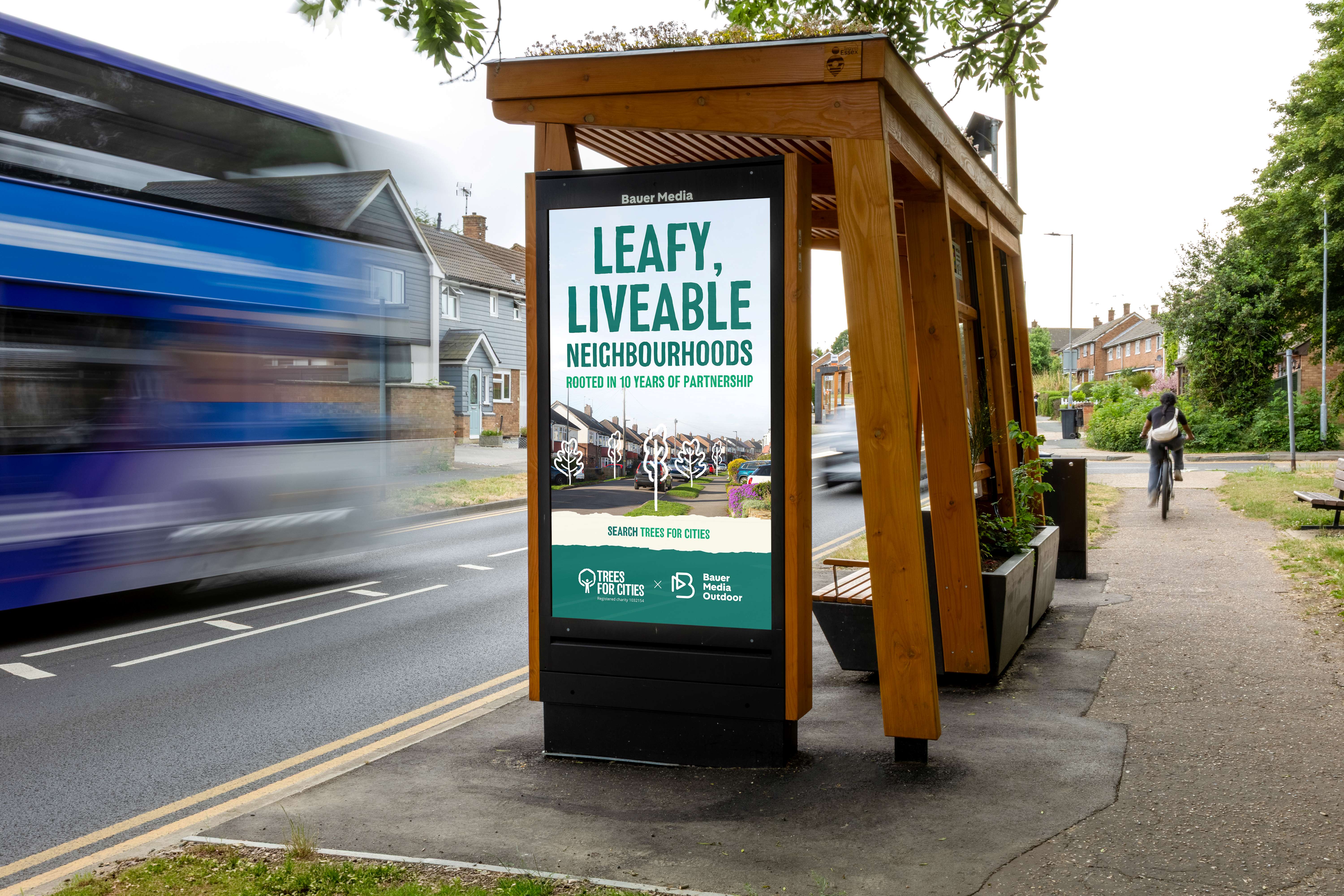
Affectionately known as 'Bee Bus Stops,' have been thoughtfully crafted in collaboration with expert ecologists.
.webp)
Greener, healthier and more biodiverse cities
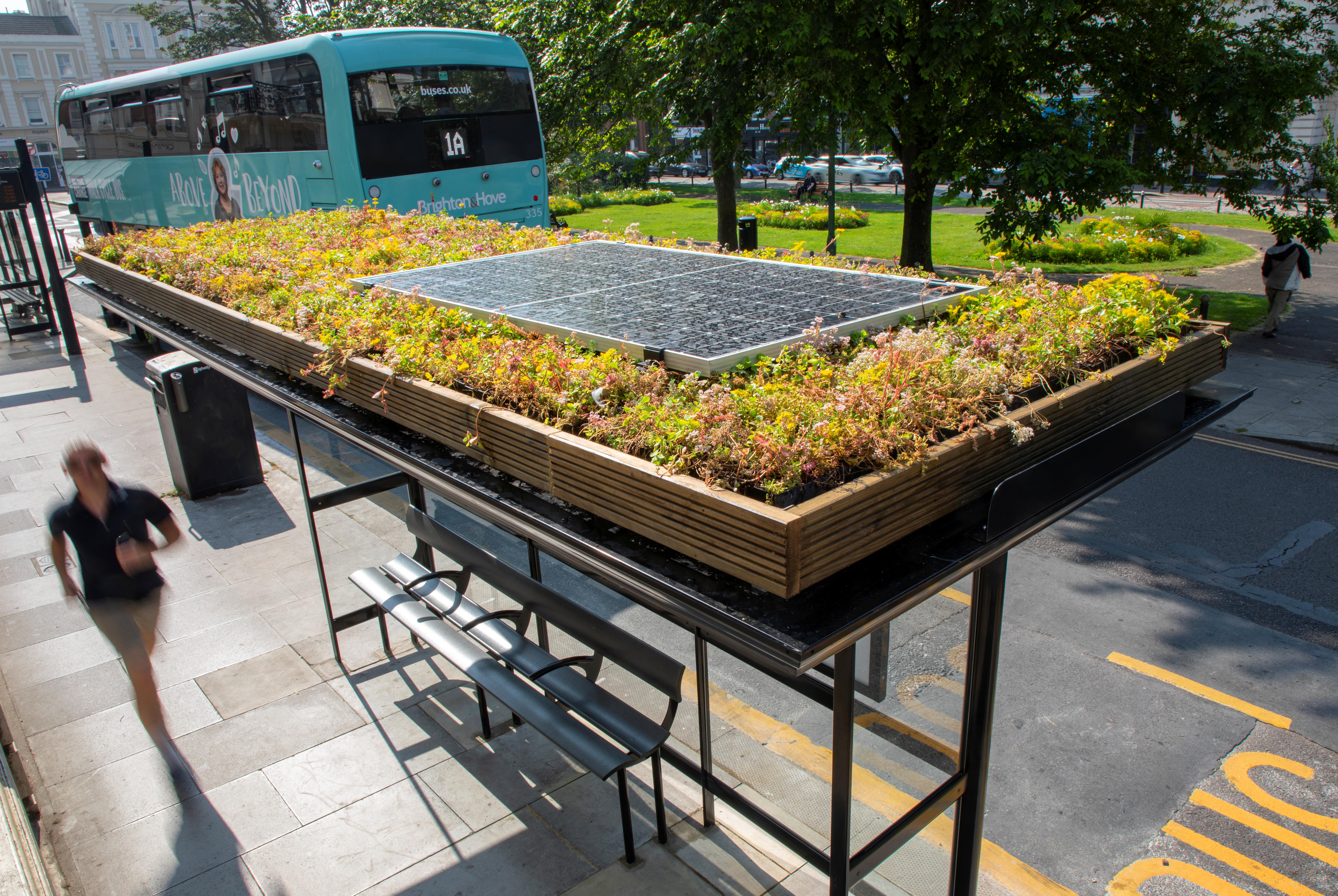
Transforming our cities into greener, healthier, and more biodiverse environments is our mission. Living Roofs, affectionately known as 'Bee Bus Stops,' have been thoughtfully crafted in collaboration with expert ecologists. With a decline in flower-rich grasslands and flying insects in the UK, these innovative Living Roofs address the need for a healthy ecological network across the country.
With more than 350 in the ground, they're designed to nurture native biodiversity by providing essential habitats for local wildlife, particularly pollinators like bees. By reintroducing greenery into our cityscapes, we're not only enhancing the aesthetic appeal but also promoting environmental sustainability and improving the quality of life for residents.
.jpg)

Environmental benefits
Supporting bees and pollinators
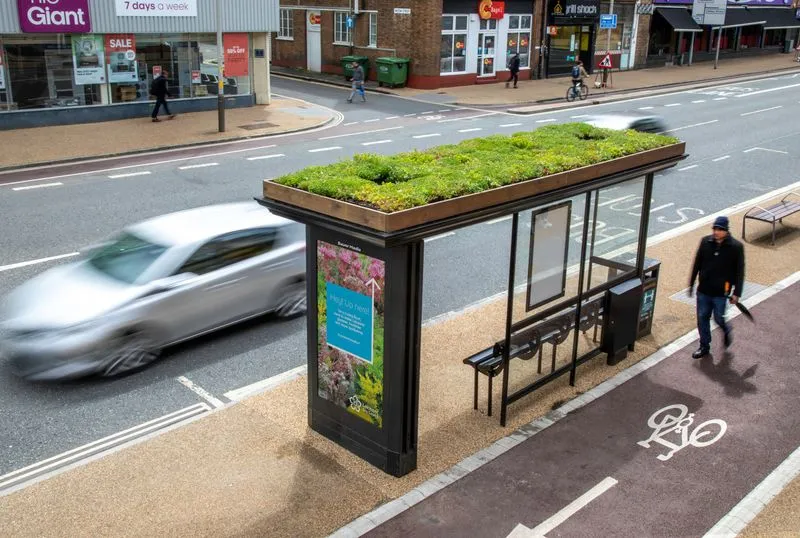
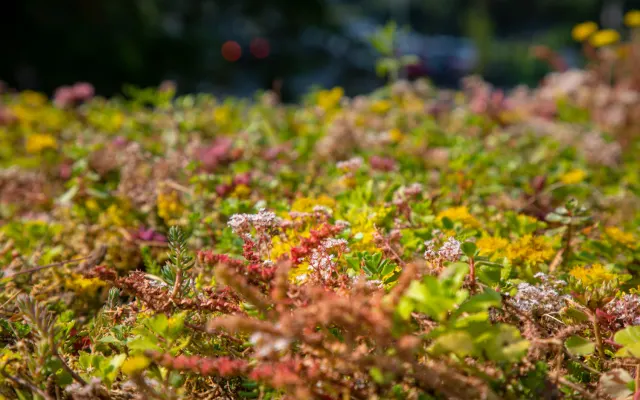
Developed in collaboration with The Wildlife Trusts, our Living Roofs are planted with a mix of 13 native wildflower and 5 sedum species; selected to support bees and other pollinators, whose numbers have sadly been in decline in recent years.
Improving local environments
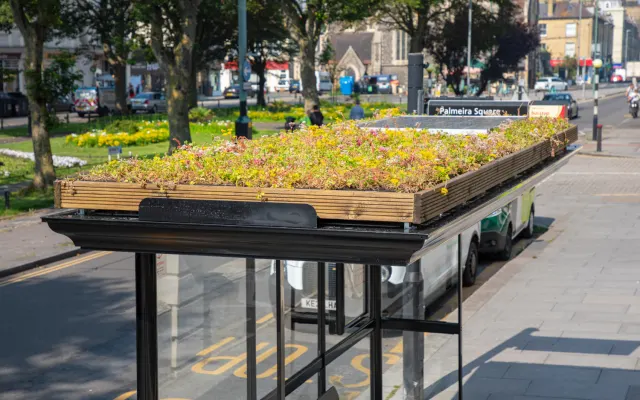
The thoughtfully-designed shelters contribute towards climate resilience, absorb rainwater falling on the roof, help to reduce the ‘Urban Heat Island Effect’, capture particulates from the air, and help make the city a greener and happier place.
Green Roof Code
Living Roofs have been designed with industry-leading experts following The Green Roof Organisation’s 2021 GRO Green Roof Code – the UK’s industry code of best practice. We've partnered with The Wildlife Trusts to ensure the roofs' longevity and efficiency.
Product information
Easy to install and maintain
The modular design can fit almost any configuration of Landmark shelter and takes less than a day to install. Only two annual visits are required for fertilising, weeding and trimming, and the plants only need watering after prolonged dry spells.

Sustainable design
The purpose-designed roof and tray system, along with the gravel and compost mix, enables deeper roots for healthier flowers long term and maximises climate resilience benefits while minimising maintenance visits for better overall sustainability. The materials used in the Living Roof are 100% recycled or upcycled, UK-sourced where possible, and nothing needs to go to landfill.
Want to know more?
Interested in getting Living Roofs in your area? Leave us your details and one of the team will be in touch.