From reach to results: how PepsiCo is redefining the role of Out of Home
Pepsi MAX has made Out of Home a core part of its media strategy, combining always-on visibility, smarter audience data and relevant, consistent creative. Supported by close collaboration and robust measurement, this approach builds brand recognition and drives sales.
Reach has always been one of Out of Home's (OOH) greatest strengths. But the true power of the channel lies in how that reach can be harnessed to play multiple roles across the consumer journey, from building brands to influencing purchase decisions. This thinking sits at the heart of The Bauer Effect, our evidence-based framework for understanding how OOH works, connecting brands with both in-market and out-of-market buyers.
At The Future of Media, Bauer Media Outdoor UK's Colin Horan (Strategic Partner FMCG) sat down with PepsiCo's Ed Sanderson and Talon's Millie Tipple to explore how Pepsi MAX has evolved its approach to OOH, providing a compelling real-world example of The Bauer Effect in action.
The conversation explored how Pepsi MAX has combined broad reach with a consistent, always-on presence, smarter audience planning and culturally relevant creativity to build brand salience and connect with consumers in key moments. Underpinned by robust measurement, this approach has helped establish OOH as a strategic driver of media effectiveness and brand growth.
Making Pepsi MAX unmissable
Drawing on principles from The Bauer Effect, the panel explored how OOH builds and refreshes memory structures over time, helping brands remain visible when it matters most.
A wider reassessment of Pepsi MAX's communications strategy led the brand to rethink the role of OOH within its media mix. Recognising the opportunity to reach consumers on the go, every day of the year, OOH evolved from a secondary supporting channel into a primary medium for the brand.
This led to a shift towards a more consistent, always-on approach. Rather than relying solely on short bursts of activity, Pepsi MAX adopted a pulsing-with-maintenance strategy, combining major campaign bursts with a sustained presence throughout the year.
The flexibility of digital OOH enables the brand to further amplify its presence around key moments, helping Pepsi MAX remain visible, relevant and unmissable year-round.
Millie Tipple, Client Strategy Director at Talon, said:
“The biggest turning point was realising that Pepsi MAX needed to move to a more always-on strategy. It wasn't simply about investing more in Out of Home, it was about becoming much more tactical and strategic. We adopted a base-and-peak approach that allowed us to drive mental availability, remain unmissable and maintain a presence across almost every week of the year.”
Smarter data. Stronger reach.
PepsiCo invested in developing a deeper understanding of its consumers, combining multiple data sources to build a richer picture of their attitudes, behaviours and shopping habits.
Working with Talon, this intelligence has been embedded into OOH planning, creating bespoke audience segments based on where consumers live, work, shop and travel. Importantly, this isn't about sacrificing reach for precision; it’s about using data to make broad-reach campaigns work harder, ensuring Pepsi MAX maintains the scale needed to build brands, while optimising where and how it shows up.
Combined with a consistent, year-round presence, audience intelligence has enabled Pepsi MAX to refine its planning around the locations and moments that matter most.
The impact has been significant. In 2023, the first full year of this data-led approach, Talon reported a 25% increase in product sales attributed to OOH, with a higher level of contribution sustained in subsequent years.
Ed Sanderson, Senior Director, Head of Media Strategy, Planning & Investment at PepsiCo, said:
“We created our own data spine, combining multiple data sources to better understand who our consumers are, where they shop and how they behave. We then embedded that data across all of our media planning, including Out of Home, to make our reach stronger, our creative more resonant and ultimately drive a better ROI.”
Owning the moments that matter
The conversation also highlighted the importance of Category Entry Points (CEPs) and their role in driving brand growth. By identifying key consumption occasions and building stronger associations between those moments and the brand, Pepsi MAX is lookin to strengthen mental availability over time.
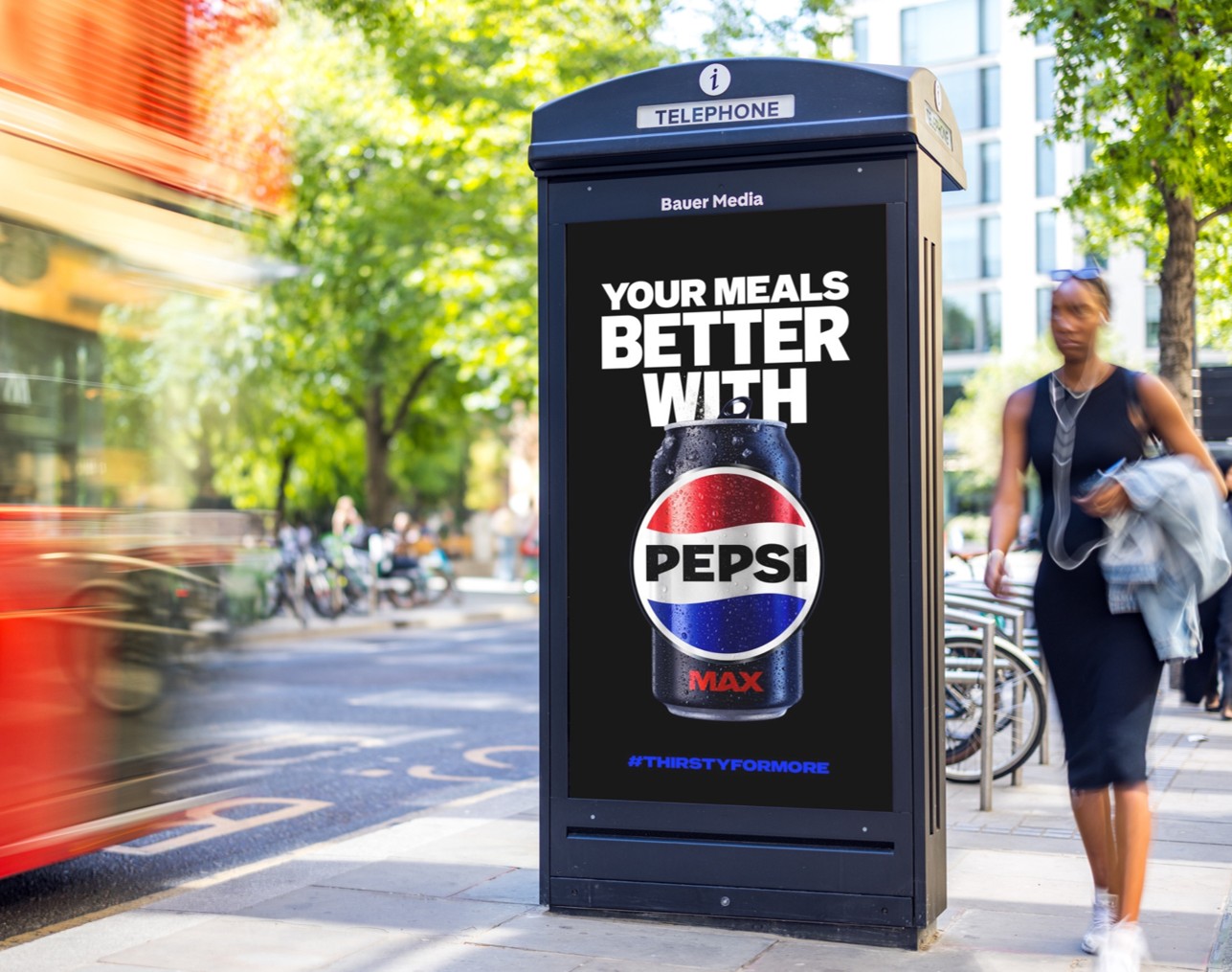
The brand's "Better with Pepsi MAX" platform brings this to life through one of its key CEPs: mealtimes. As soft drinks pair naturally with food, there's a significant opportunity to increase penetration by making Pepsi MAX an instinctive choice during these moments.
What's particularly interesting is how Pepsi MAX has brought this strategy to life through OOH. What started as simple contextual placements has evolved into a more sophisticated approach, combining audience insights, location intelligence and dynamic creative to connect with consumers in relevant everyday moments, reinforcing the association between Pepsi MAX and mealtimes.
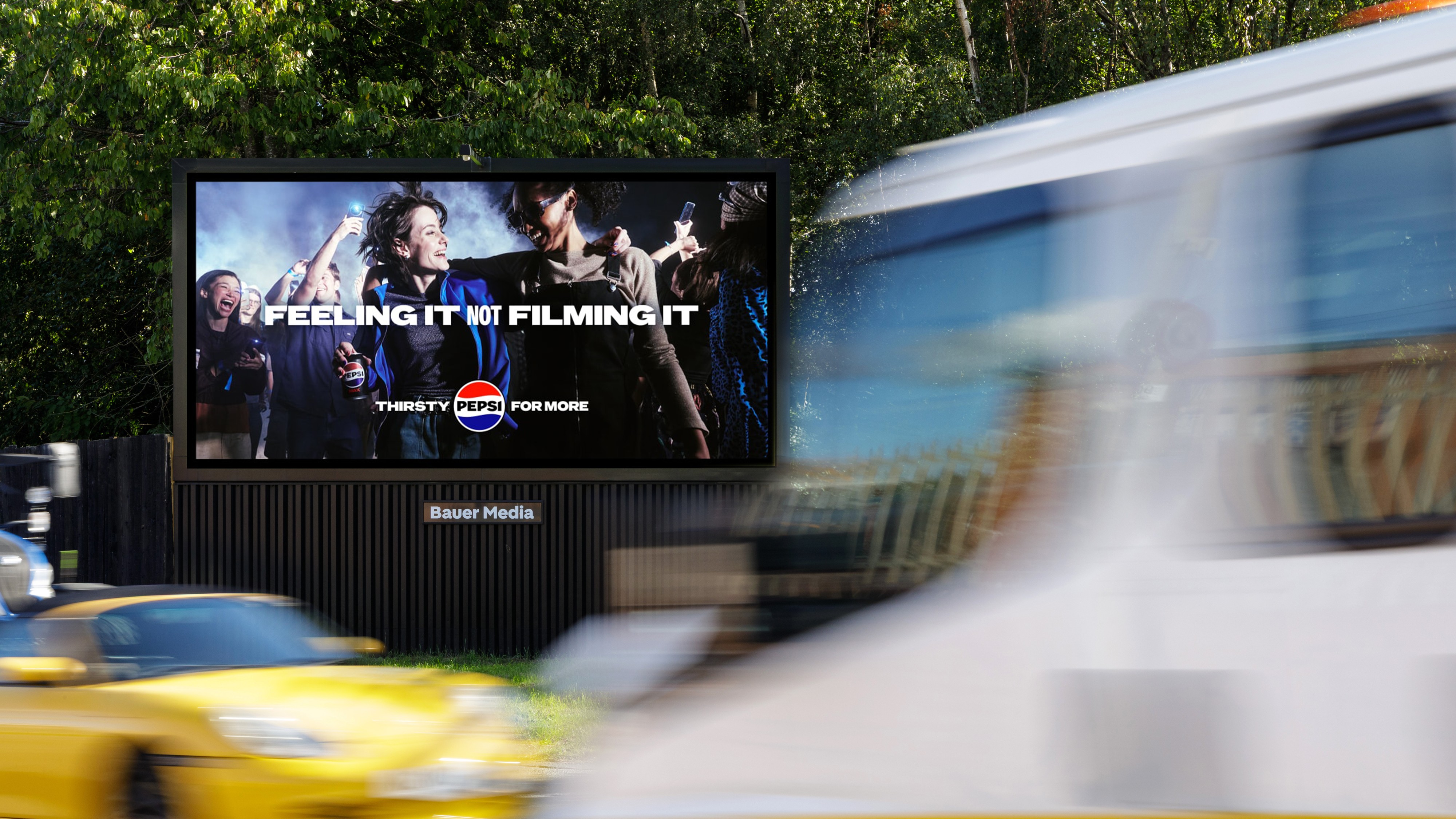
Importantly, this contextual approach is underpinned by creative consistency. Whether connecting with consumers through food, football or music, Pepsi MAX maintains a recognisable creative platform and consistent messaging across campaigns, helping reinforce brand recognition and strengthen memory structures over time.
The lesson for marketers is that effective contextual advertising is about more than simply reacting to the moment. It's about bringing together audience, location, timing and distinctive, consistent creative to build stronger brand associations over time.
Millie Tipple said:
“What started as simple contextual placements evolved into a much more personalised approach. We used audience and location data to identify the right environments, then dynamically deployed creative that reflected different food preferences while maintaining a consistent brand look and feel.”
Investing in effectiveness
Measuring OOH effectiveness isn't always straightforward. From creative execution and format selection to campaign scale and its role alongside other channels, multiple factors can influence performance. For Pepsi MAX, closer collaboration between PepsiCo, Talon and their respective effectiveness teams has helped develop a more sophisticated approach to measurement, combining more granular OOH data with creative testing and marketing mix modelling to build a clearer picture of the channel's contribution.
The results demonstrate the value of this approach, with Pepsi MAX now seeing returns of between £3 and £4 for every £1 invested in OOH.
According to Ed, this performance comes down to several key factors: committing investment upfront to secure the best locations and value, using years of campaign learnings to understand which formats and placements work best, and ensuring creatives are optimised for effectiveness.
But there's another important consideration Ed emphasised: investing at sufficient scale. For brands looking to build reach and maintain a consistent presence, investment needs to be substantial enough to deliver meaningful impact. Pepsi MAX demonstrates how a long-term commitment to OOH, supported by smarter planning, effective creatives and robust measurement, can deliver significant commercial returns.
Unlocking the full potential of OOH
Pepsi MAX's journey demonstrates what's possible when brands embrace the multiple roles OOH can play across the consumer journey. But beyond strategy, data and creative, the conversation highlights another important ingredient behind its success: collaboration.
So, what advice would Ed and Millie give to other marketers looking to unlock similar results?
For Ed, it's about bringing OOH into the communications planning process much earlier, treating it as a primary medium capable of delivering against core marketing objectives, rather than a secondary supporting channel.
Millie echoed this sentiment, emphasising the importance of breaking silos between clients, agencies and specialist teams. For Pepsi MAX, closer collaboration has unlocked richer audience data, greater creative understanding and more effective planning and measurement.
Ultimately, the lesson is clear: unlocking the full potential of OOH requires more than simply investing in the channel. It's about bringing the right people, data, creativity and media together, and giving OOH the strategic importance it deserves.
The ‘Bauer Effect’: campaigns combining audio, outdoor and publishing report 33% more brand and 8% more business effects, new IPA and Bauer Media study finds
Winning The Great Brand Race analyses 569 campaigns to reveal how connected media planning can strengthen brands and drive growth.
Bauer Media Bikes achieves CoMoUK accreditation: raising the bar for funded bike share schemes
Bauer Media Outdoor's bike share scheme has met CoMoUK's accreditation standards - a timely example of how commercially-funded shared mobility models can support councils.