


Guide to 3D advertising and examples of innovative 3D billboards
3D advertising uses clever illusions and digital technology to create billboards that stop people in their tracks.
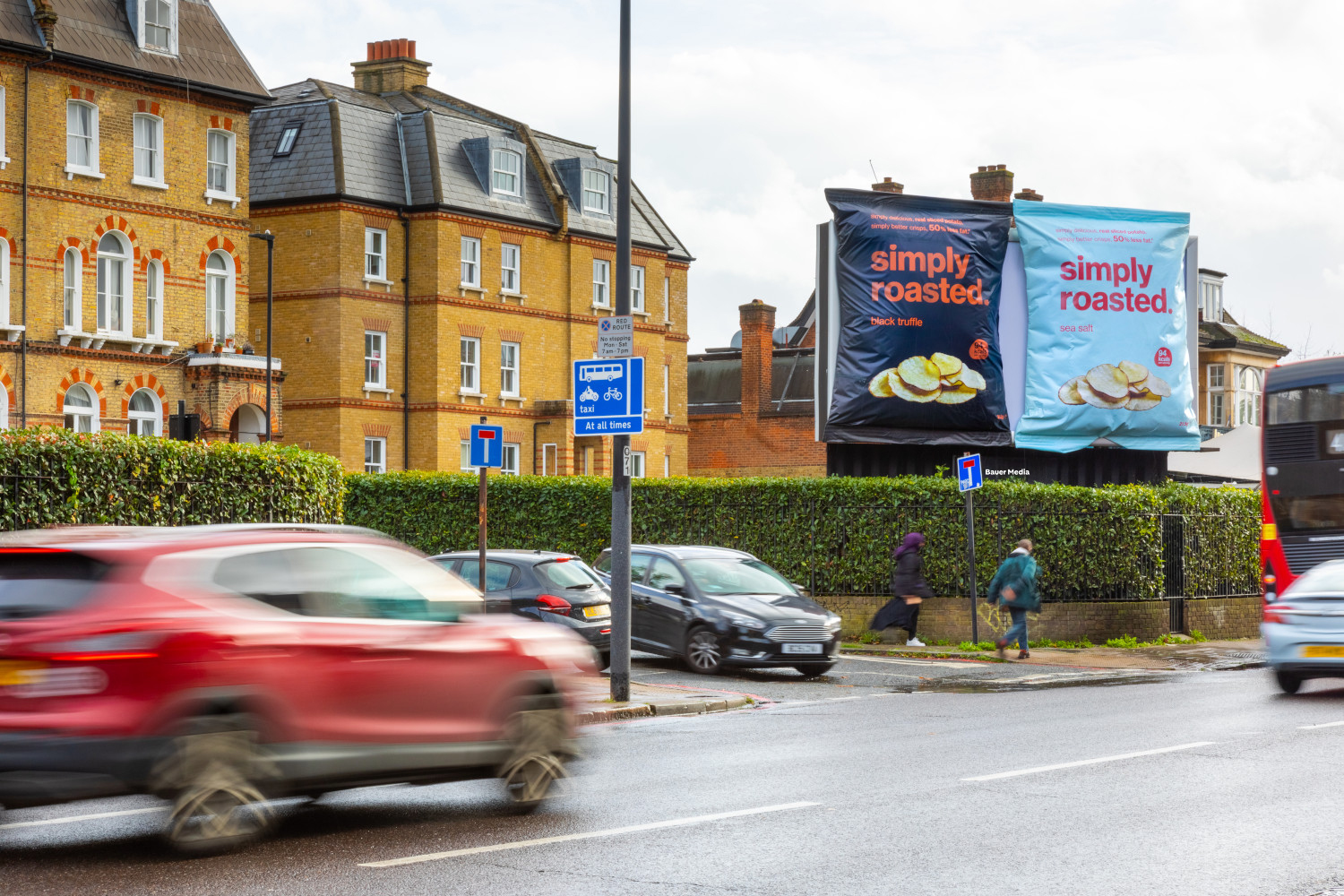
We explain how 3D advertising works, why it's so effective, and showcase some of the most innovative 3D billboard examples around.
One of the biggest developments in the advertising world over the past few years has been 3D advertising. Although 3D illusions have been around for as long as billboards themselves, the rise of digital technology has transformed what’s possible with this innovative medium.
In this blog, we’ll explore 3D advertising, including how it works and why it’s so successful. We’ll also take a look at some examples of 3D billboards – let’s dive in.
3D advertising works primarily because of its superior ability to capture attention, but there’s more to it than that. These are the key reasons why 3D advertising is effective:
The effectiveness of 3D advertising is grounded in its ability to tap into fundamental aspects of human perception and cognition. By leveraging these innate traits, the medium is able to create distinctive experiences that leave a lasting impression on audiences.
3D billboards are a form of Out of Home (OOH) advertising that uses advanced technology and innovative designs to create a 3D appearance. 3D billboard advertising can be implemented on both static and digital billboards, though different methods are required.
Static 3D billboards are created by employing various artistic techniques and optical effects. They often require a ‘special build’, as they can contain bespoke elements that extend beyond the borders of a standard billboard.
3D digital billboards use a range of specialised technology to create three-dimensional visuals. Digital billboards are dynamic and typically equipped with high-resolution screens, so they can be used to display ultra-realistic, 3D moving images.
As we’ve already discussed, 3D advertising works because of its ability to capture attention and help brands differentiate themselves from the competition. These aren’t the medium’s only benefits though – here are some of the other top reasons to choose 3D billboard advertising.
3D billboards create novel and immersive experiences that can lead to increased audience engagement.
Viewers can spend more time looking at or interacting with a 3D billboard as they try to figure out how it works.
3D billboards are still very rarely seen compared to traditional 2D ones, making them far more memorable to passing audiences.
It’s not uncommon for innovative 3D billboards to generate a buzz on social media, which can help brands reach new audiences and build awareness organically.
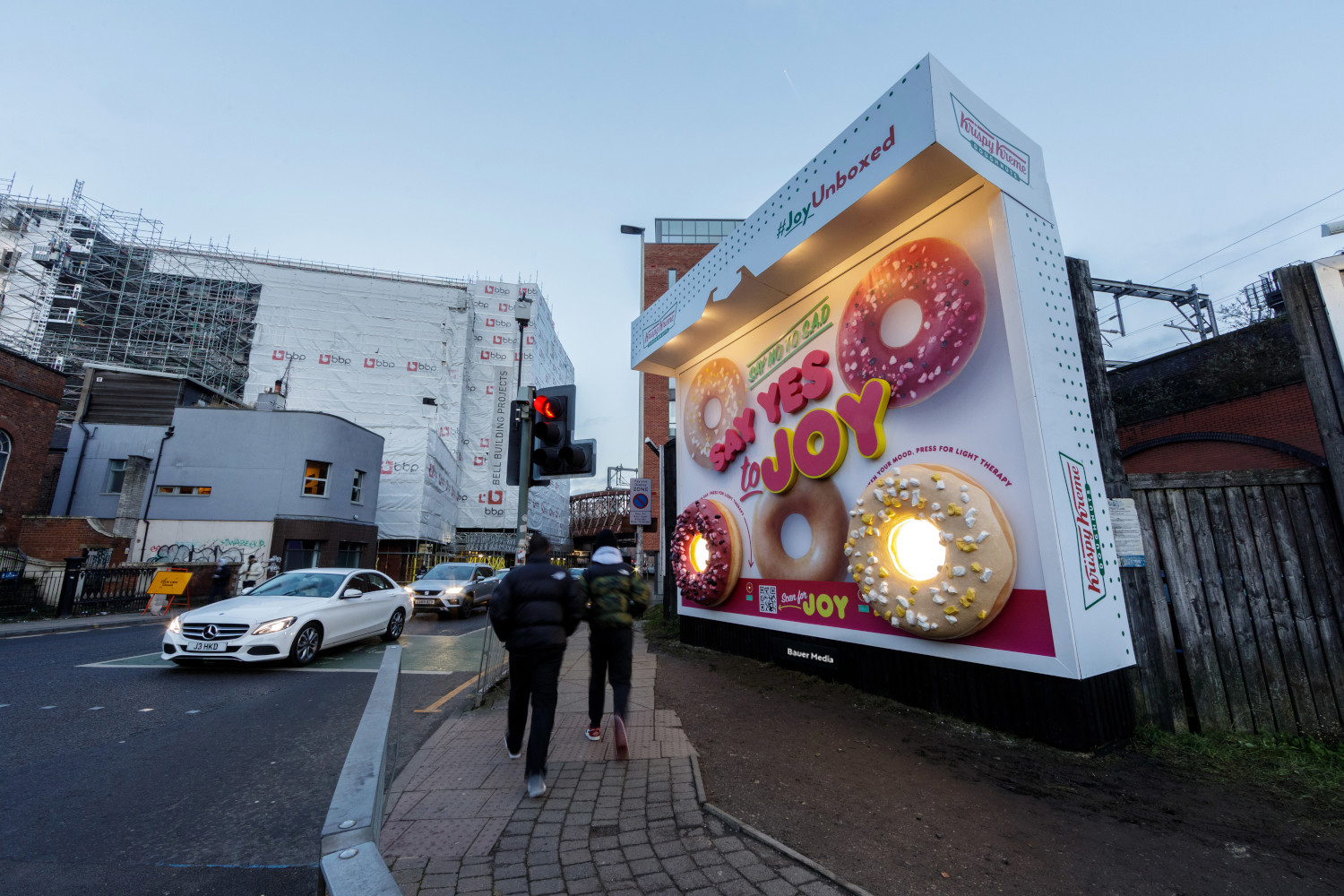
Whether using digital technology or physical elements, 3D billboards are some of the most creative that exist. Here are some of the most innovative examples of 3D billboards that we’ve seen.
In the marketing landscape, 3D advertising stands out for its ability to captivate and intrigue audiences. It’s disruptive, immersive and gets people talking. To embrace its full potential, get in touch with us to discuss how 3D billboards can help you achieve your goals.
3D advertising is a type of marketing that uses special elements or visual techniques to make content look three-dimensional. These techniques include stereoscopic imaging, holography, parallax, augmented reality (AR), and other methods.
By creating the illusion of depth and dimension, content seems to jump off the screen or board on which it’s displayed. This makes it more eye-catching to viewers and helps to foster an immersive, engaging experience.
3D advertising is used across various mediums, including print and TV. However, the most common types are 3D billboards and web-based 3D ads.
Web-based advertising often uses 3D graphics and AR to create fun, interactive experiences for smartphone or computer users. 3D advertising billboards, on the other hand, utilise a mix of digital and physical techniques to display 3D adverts on outdoor signage.
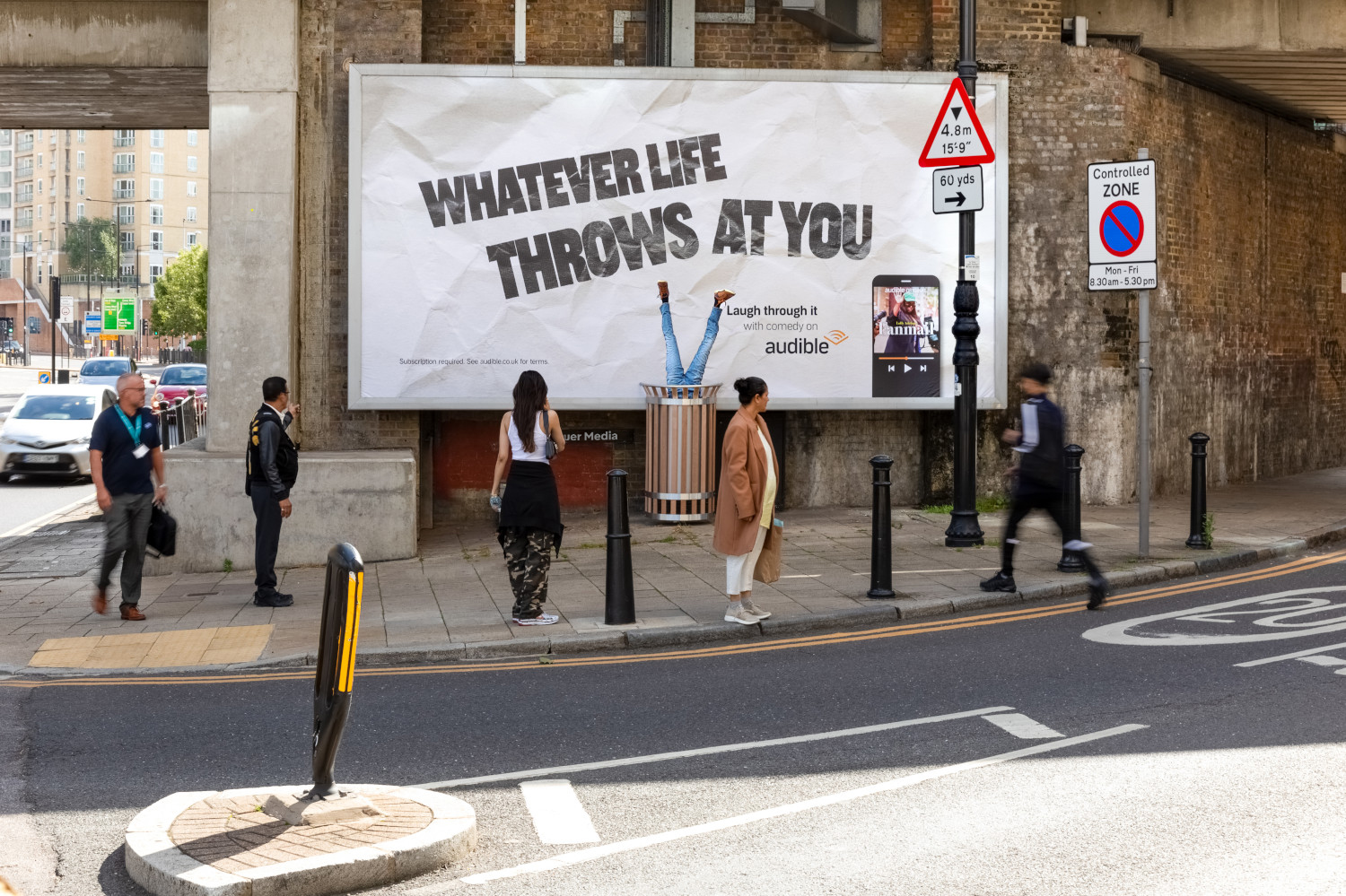
Almost all 3D billboards work by relying on what’s known as ‘forced perspective’. This refers to the concept of influencing how an object is perceived by the naked eye through the use of optical illusions.
These optical illusions can be created using physical elements or digital technology, depending on which type of billboard is being utilised. Some of the techniques most often used are:
Looking to discuss outdoor advertising in your local area? Please give us a call or fill in our form and we will get back to you shortly.