


Dynamic Creative Optimisation
The next lever of programmatic OOH performance
What is Dynamic Creative Optimisation?
Static creatives get one shot. Dynamic Creative Optimisation (DCO) gets multiple. Your campaign adapts in real time to what's on every screen, so your on-screen message is always relevant in the moments that matter most.
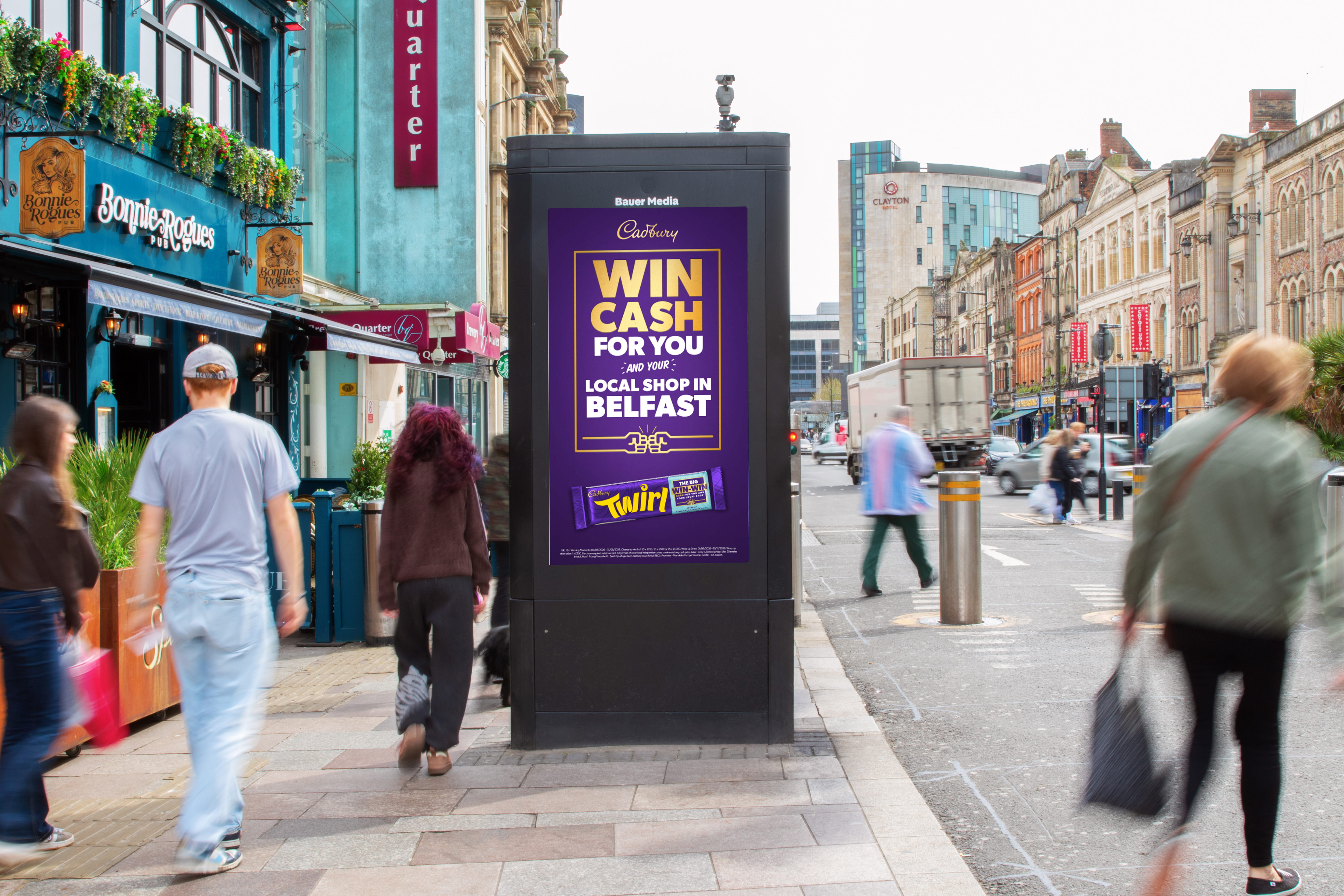
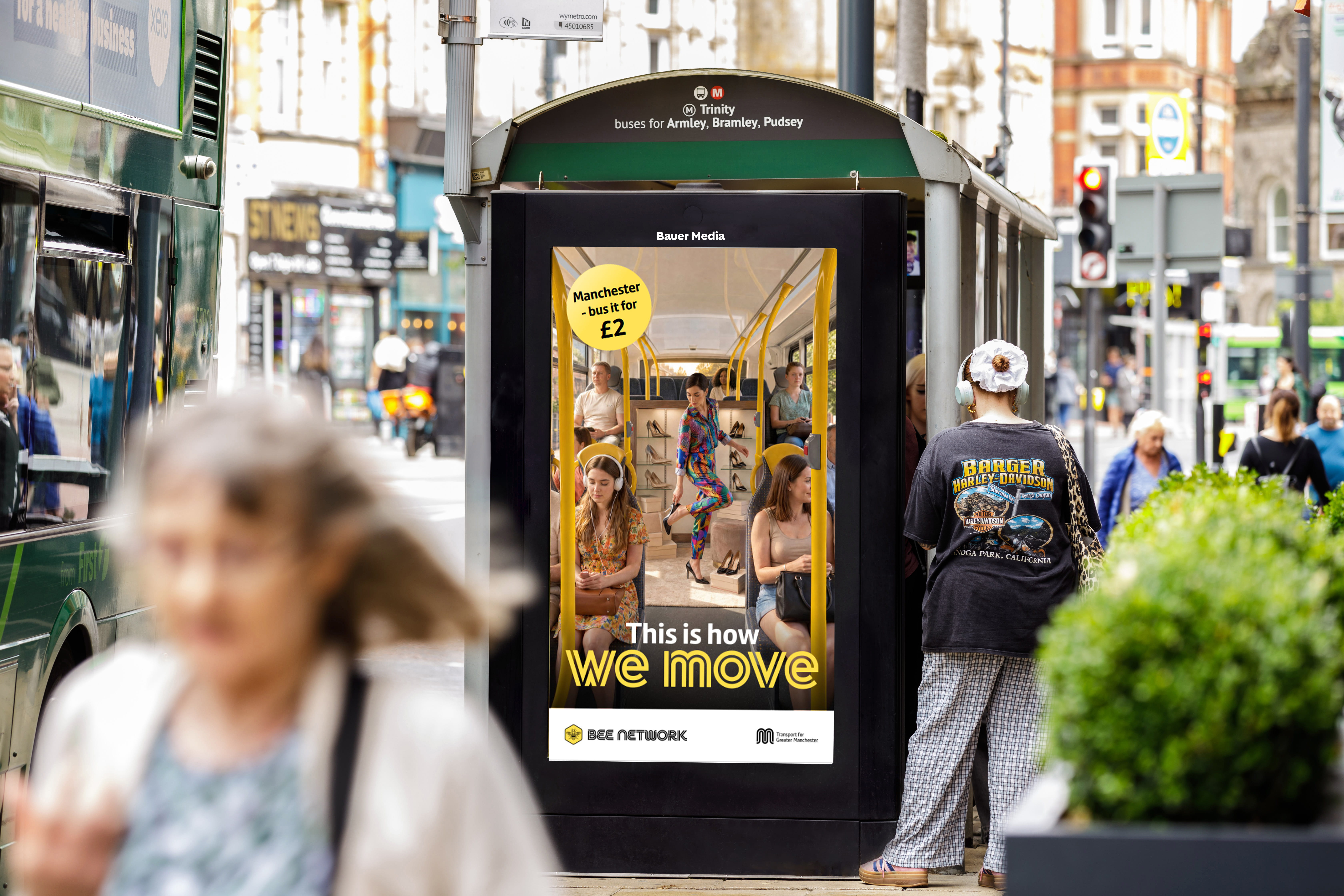
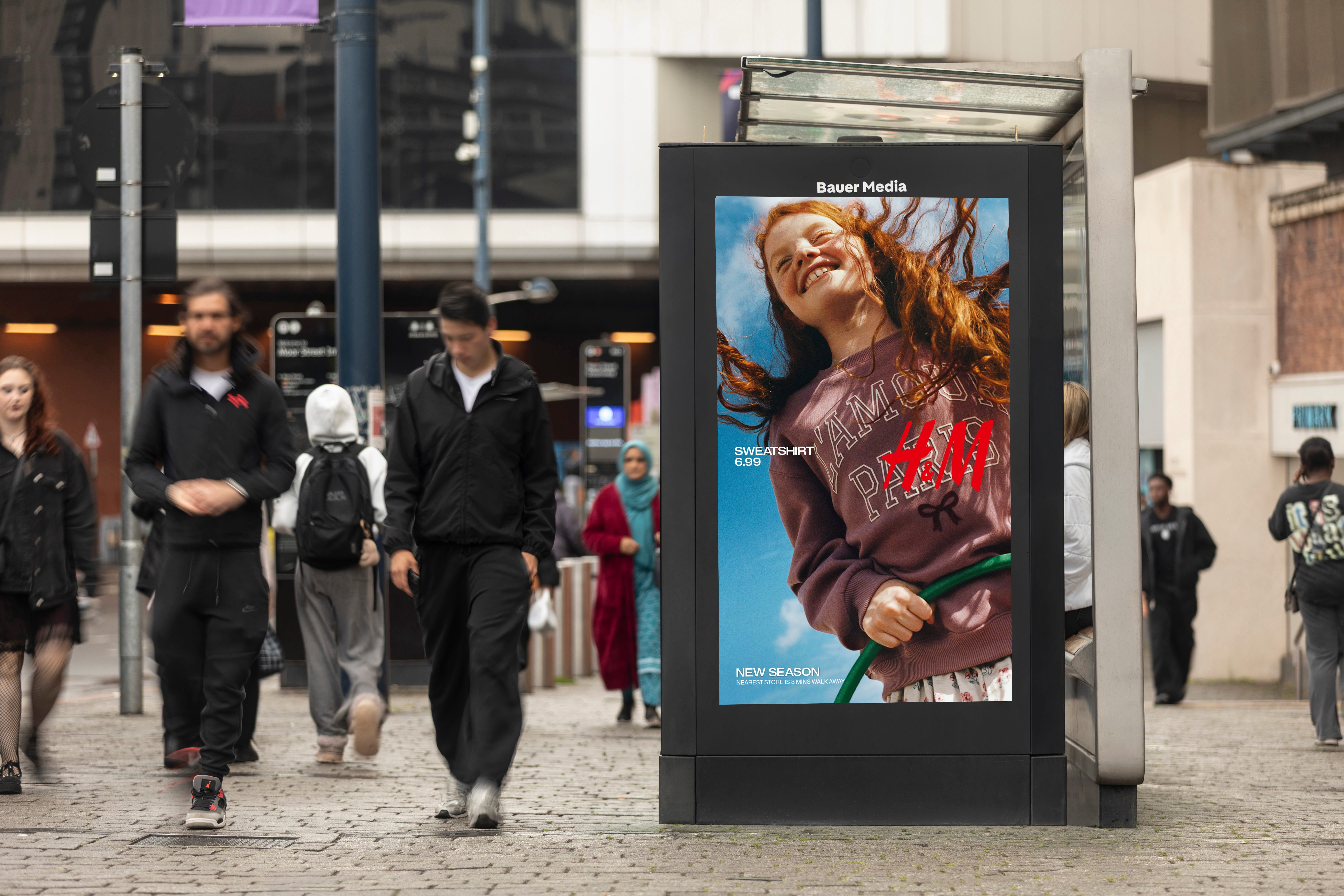
DCO connects your creative to live data. Location, time of day, weather, traffic, live events - all feed into the campaign and determine which version of your ad runs, where, and when. One campaign, built once, automatically serving the right message to the right screen.
For programmatic buyers used to optimising audience and inventory in real time, DCO does the same thing for creative. It's the missing lever.
.jpg)
When is DCO worth using?
Use DCO when what’s happening around your screens should change the message your audience sees.
If a different context would make a different message more relevant to your objective, DCO can unlock that extra performance. Common use cases include:
- Weather-driven messaging: switch products, offers or creative depending on temperature, sunshine or rain.
- Time and dayparting: tailor copy for morning vs evening, weekdays vs weekends, or countdowns to a launch or event.
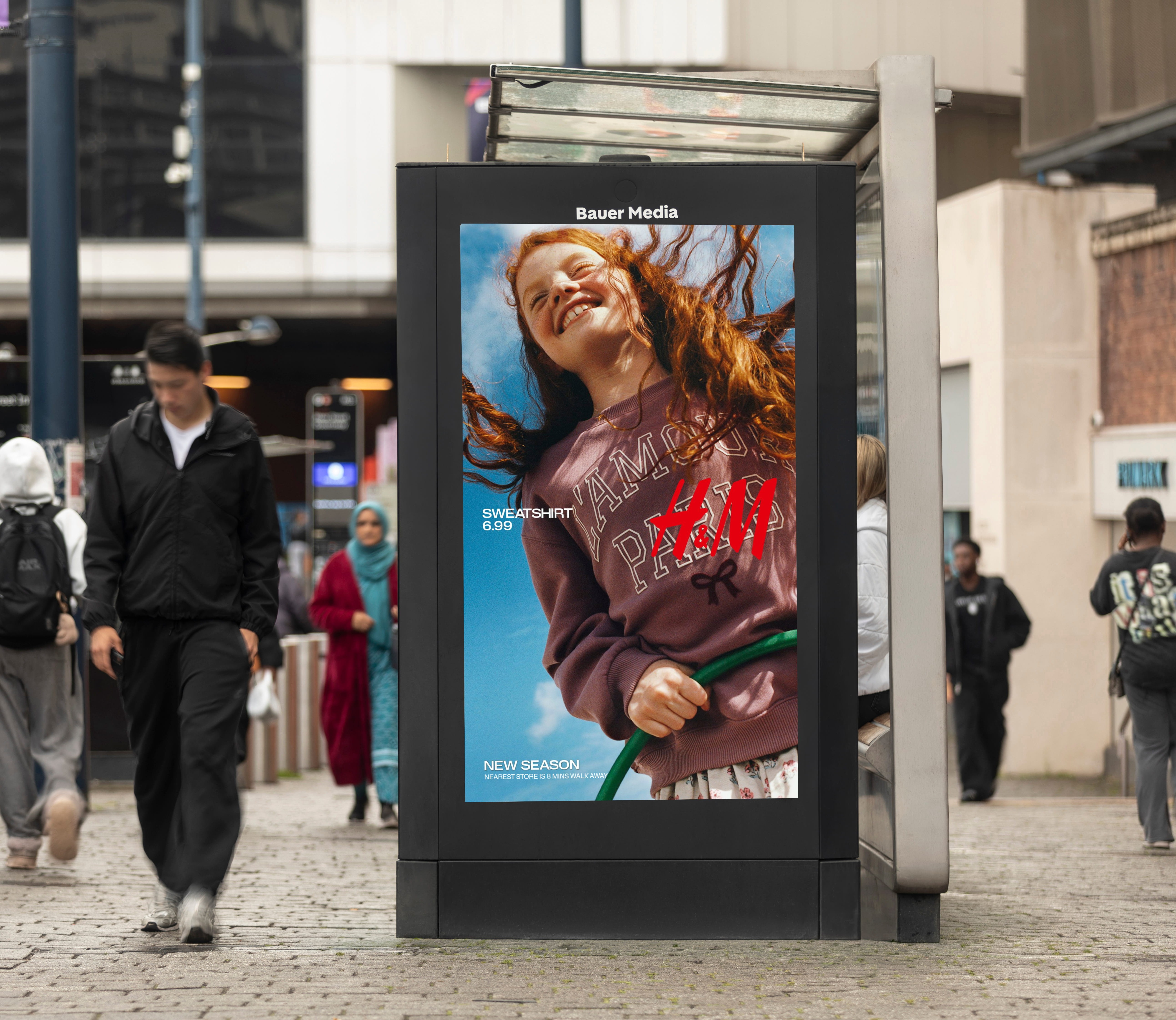
- Location-based relevance: highlight nearby stores, local offers or regional variations instead of one generic national message.
- Live events and moments: react to sports results, entertainment, cultural or local events as they happen.
- Operational data: update pricing, stock availability or service information in real time.
DCO can be extended with almost unlimited combinations of data, triggers and creative responses, from a single simple rule to complex sets of live, scheduled and operational inputs. The important question isn’t how many data points you can plug in; it’s whether a change in data genuinely changes what’s most useful to show your audience.
What needs to be agreed before launching?
The benefits of DCO
Real-time relevance
Creative adapts automatically to location, time, weather, live events and other data signals, so every screen reflects what's happening around it.
Always current
Pricing, offers, products and availability update in real time. No need to rebuild or re-trigger the campaign.
Performance through relevance
More relevant messaging captures more attention (+32% increase in brand response when aligning relevant content to a relevant moment). Dynamic creative drives stronger engagement and response than static, one-size-fits-all campaigns.
Scale without the workload
One campaign, multiple variations. Different messages reach different locations and audiences from a single campaign, cutting production time and cost.
Testing capability
Test multiple creatives within a singlecampaign/line item rather than having to build out multiple in a DSP.
.jpg)
What live data signals can be leveraged for DCO?
Every DCO campaign runs on triggers, the live data signals that decide which creative variant fires. Brands can combine multiple triggers in a single campaign. Imagine a campaign that could shift messaging by temperature in the morning and location in the evening, without any manual input. Explore all the potential live data signals brands can leverage:
Weather
Rainfall
UV index
Wind

Time
Day of the week
Calendar dates
Countdown timers

Location
Region
Postcode-level targeting

Events
Live scores
Entertainment and cultural events
Local events calendars

Traffic & Travel
Road incidents
Transport disruption

Other feeds
Pricing changes
News headlines
Brand or third-party APIs
Our guide to DCO specifications
Full technical specifications for building DCO-ready creatives across our premium digital network, covering file formats, trigger integrations, and lead times.
Building DCO-ready creatives for our premium digital environments is straightforward, and our team is here to support you.
Our HTML specifications
- Package structure and required methods
- Context variables
- Asset and file specifications
- Browser compatibility
- Data consumption and network
- Service workers and customer Proof of Play
- Responsive content and delivery requirements
Get started with DCO
Ready to build your first DCO campaign? Tell us a bit about what you're planning, and our programmatic team will be in touch.
Dynamic Creative Optimisation FAQs
Dynamic Content Optimisation (DCO) is a programmatic OOH capability that connects your creative to live data, so the ad on screen changes automatically based on conditions like location, time of day, weather, traffic and live events. One campaign is built once and automatically serves the right message to the right screen, rather than running the same static creative everywhere.
DCO runs on triggers, live data signals that determine which creative variant fires on any given screen at any given moment. These can include weather, dayparting, location, live event results, traffic conditions and pricing or stock feeds, and multiple triggers can be combined within a single campaign so messaging shifts automatically without manual rebuilds.
DCO campaigns can use weather signals like temperature and rainfall, time-based triggers like dayparting and countdown timers, location targeting down to postcode level, live event and sports data, traffic and travel conditions, and other feeds such as stock availability and pricing. Brands can combine several of these within the same build.
Yes. Aligning a relevant creative to a relevant moment drives a 32% increase in brand response (Source: Moments of Truth) compared with static, one-size-fits-all campaigns, since more relevant messaging captures more attention and generates a stronger response than the same ad running unchanged.
Programmatic OOH optimises audience and inventory in real time. DCO applies that same real-time logic to the creative itself, so the message adapts alongside the buy rather than staying fixed, giving one campaign build multiple automatically-triggered variations instead of a single static execution.