


How much does bus stop advertising cost?
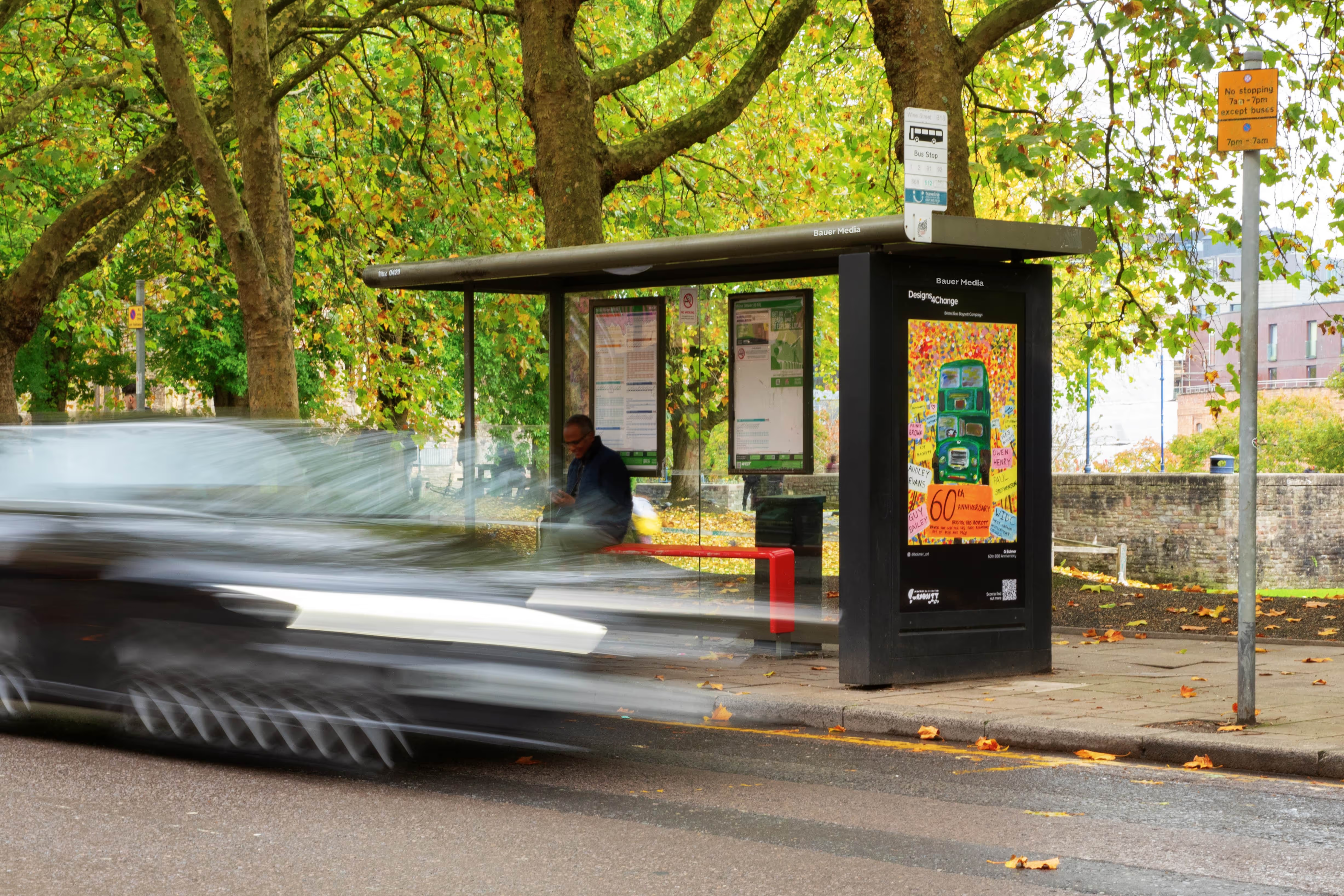
Bus stop advertising cost?
For businesses exploring OOH advertising in the UK, one of the most common questions is: how much does bus stop advertising cost?
The answer is not fixed. Bus stop (Adshel) advertising costs in the UK vary depending on location, campaign duration, format and coverage. However, it remains one of the most cost-effective and accessible outdoor advertising channels, making it an ideal starting point for brands of all sizes.
Bus shelters offer consistent visibility in high-footfall environments, delivering repeated exposure to audiences as they go about their daily routines.
Why bus stop advertising is a cost-effective OOH channel
Bus shelter advertising is widely recognised as an entry point into outdoor advertising because it combines:
- High visibility in everyday locations
- Flexible geographic targeting
- Scalable budgets for local to national campaigns
- Strong audience reach across the UK
With buses being one of the most-used forms of public transport, bus stops form a nationwide network that enables brands to connect with audiences at scale.

What affects bus stop advertising costs in the UK?
The biggest driver of bus stop advertising cost is location.
Premium placements in:
- City centres
- Busy commuter routes
- High-traffic retail areas
tend to command higher investment due to larger audiences and increased dwell time.
In contrast, suburban or residential locations often provide more cost-efficient options while still delivering strong local visibility.
For example, areas with lower public transport usage will typically have lower costs than major urban centres with high journey volumes.
Key factors influencing location value:
- Footfall levels
- Audience demographics
- Dwell time at the shelter
- Visibility to traffic and pedestrians

Campaign duration and format
Campaign length plays a key role in outdoor advertising costs.
Most OOH campaigns in the UK run in fixed cycles (commonly two weeks).
- Short campaigns → lower upfront investment
- Longer campaigns → better value through repeated exposure
Sustained visibility helps improve brand recall, making longer durations particularly effective for brand-building campaigns.
Format: classic vs digital bus stop advertising
The format you choose significantly impacts bus stop advertising costs.
Classic (static) bus shelter advertising
- Printed posters (e.g. 6-sheet formats)
- Cost-efficient and widely available
- Strong, consistent visibility
Digital bus stop advertising (Adshel Live)
- Rotating ads on digital screens
- Dynamic content and day-part targeting
- Typically higher investment due to flexibility and demand
Choosing between static and digital OOH formats will depend on campaign objectives, creative requirements and budget.
Geographic targeting and campaign scale
One of the biggest advantages of bus shelter advertising in the UK is its flexibility.
Campaigns can be tailored by:
- Postcode targeting
- Proximity to stores or venues
- Local catchment areas
- Regional or multi-city coverage
As more locations are added, overall costs increase, but so does reach.
This flexibility allows advertisers to optimise spend by focusing on high-value locations that align with their audience.
Is bus stop advertising affordable for small businesses?
Yes, and this is where the format stands out.
Unlike many national media channels, bus stop advertising allows businesses to start small and scale up.
It is particularly effective for:
- Independent retailers
- Restaurants and hospitality brands
- Local service providers
- Public sector organisations
- Schools, colleges and universities
- Local theatres and cultural events
By focusing on specific neighbourhoods or high-footfall areas, SMEs can achieve strong local awareness without large budgets.

A flexible approach to outdoor advertising costs
While bus stop advertising costs in the UK vary, the format consistently delivers:
- Targeted local and regional reach
- High-frequency audience exposure
- Flexible budget control
- Strong return on investment potential
Premium locations will always command higher prices, but careful planning and smart targeting allow businesses to maximise impact at any budget level.
Bus stop advertising cost FAQs
Quick answers to common questions about pricing, formats and what influences bus stop advertising costs in the UK.
Lorem ipsum dolor sit amet, consectetur adipiscing elit, sed do eiusmod tempor incididunt ut labore et dolore magna aliqua.
Plan your bus stop advertising campaign
Tell us a bit about your campaign and our team will recommend the best bus shelter advertising options based on your budget, target audience and locations across the UK.