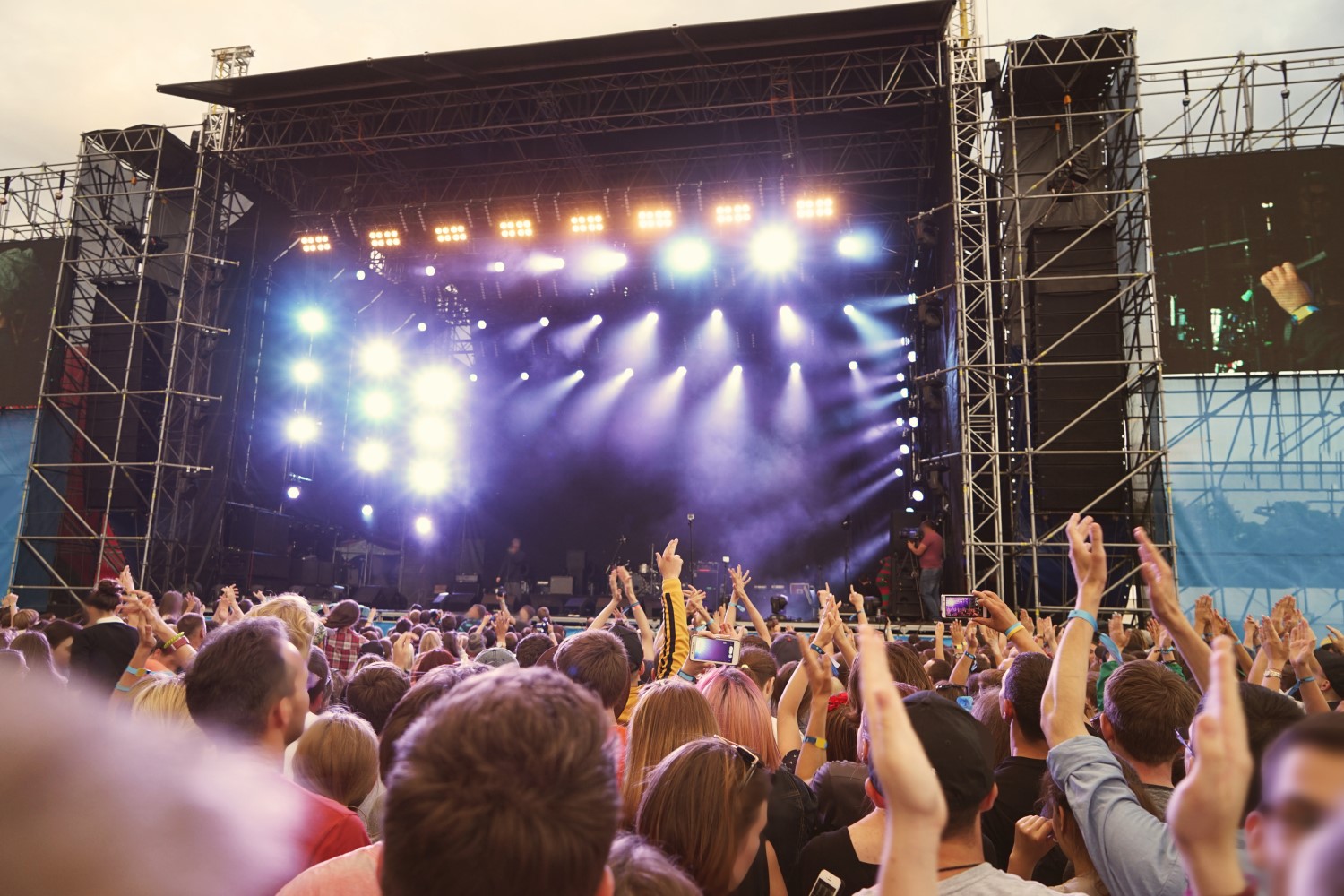
With a new report revealing that the UK music industry contributed a record-breaking £8 billion to the economy last year, it’s clear that live experiences are no longer a nice-to-have for tourists. They are a major driving force for economic activity across the country. According to UK Music, the music industry’s overall contribution reached this high-water mark in 2024.
In 2024 alone, 23.5 million ‘music tourists’ attended concerts and festivals in the UK, including major national and regional events that attracted visitors from home and abroad.
This is not a new phenomenon. The UK has always punched above its weight in live music and cultural events. But when you compare today’s figures to the figures from the UK Music organisation’s Destination: Music report from 2009, the scale of growth becomes striking.
In 2009 it was estimated that 357,000 international visitors came to the UK specifically to attend concerts and festivals. By 2024 that number had reached 1.6 million, representing an almost 350 percent increase in the last 15 years.
Music tourism is no longer niche. It is mainstream, mobile and increasingly regional in its appeal, and people aren’t just flocking here for the tunes.
Why people travel for experiences
Experiential tourism, whether centred on music, sport or theatre, taps into something fundamental about modern travel. People want real-world moments that create memories. Live events deliver exactly that.
Post-pandemic, there has been a clear shift towards prioritising shared, real-life experiences over passive holidays. Any lingering fear of travel after Covid-19 does not seem to be affecting music tourism. In fact, festival and concert attendance continues to climb. Tripadvisor predicted that in 2025, 55% of travellers planned to take trips for festivals and gigs, and this figure jumps to 75% among the younger generations.
But visitors to these events do more than just spend on tickets. They invest in accommodation, food and drink, merchandise, public transport and local entertainment. That auxiliary spending makes experiential tourism just as valuable for the towns and cities hosting these events as the venues and artists themselves.
Regional culture as an economic engine
While London remains a major cultural hub, the UK’s experiential tourism pull is shaped heavily by a large number of notable regional events.
Manchester’s Parklife Festival draws tens of thousands of visitors and delivers a meaningful boost to the city’s hospitality and entertainment sectors. The Edinburgh Fringe Festival transforms the Scottish capital each summer, supporting a huge ecosystem of performers, venues and small businesses.
Away from music, events like Whitby Goth Weekend in North Yorkshire attract dark yet inviting international and domestic subcultures to a quaint coastal town. Activities steeped in tradition such as Cooper’s Hill Cheese Rolling bring worldwide attention and tourism to rural Gloucestershire. The Great Orme Car Rally similarly boosts visitor numbers and spending in the hills of North Wales. It’s evidence of Life Beyond London — where cultural energy, tourism and economic impact are increasingly driven by regions outside the capital.
These events do more than generate short-term spend. They strengthen regional identities, elevating local economies and encouraging repeat visits long after the event finishes.
This shows no sign of slowing down either. The arrival of a major new Americana music festival in Essex next year adds another example of how regional experiences out of London are evolving and drawing huge audiences in their own right.
Sport is pulling its weight
Sport plays a huge role in all of this as well. The Premier League remains one of the UK’s biggest attractions, drawing international fans to visit stadiums and explore local cities all season. Of course, these visitors do more than just watch games. They explore the area, eat at local restaurants and absorb the culture of the places they visit. Events like the Women’s Rugby World Cup similarly hold matches in venues across the country, helping distribute tourism and attention beyond a single city.
Participation-led events are also on the rise. Sporty competitions such as Tough Mudder and Hyrox are drawing athletes and fans to travel for events, and this activity feeds into the broader tourism ecosystem.
International companies are taking notice – with the NFL hosting regular games at Tottenham Stadium, Wembley putting on the UK’s first ever College Football Game in 2026, and the NBA pledging a £5 million investment in British grassroots basketball and scheduling upcoming regular season games in both London and Manchester in the next two years.
This kind of sport-based tourism also creates avenues for positive long-term community impact. Bauer Media Outdoor’s charity partnership with EFL in the Community highlights how sport can support public programmes and local engagement while driving broader tourism benefits.
Challenges beneath the surface
Despite its success, experiential tourism faces several speedbumps.
The cost-of-living crisis continues to weigh on domestic audiences. At the same time, administrative complexities post-Brexit and rising costs have placed pressure on grassroots events venues, which are often critical stepping stones for emerging artists and experiences.
The closure of these independent spaces risks limiting the pipeline of talent that feeds future experiential tourism.
There is also a growing “cost of touring crisis”, with newer bands struggling to build the international fanbases that can eventually lead to profitable music tourism later in their careers.
These challenges remind us that while experiential tourism is thriving, it needs support from brands, the UK government and cultural bodies alike to remain sustainable and accessible.
What brands and businesses can do next
There is a clear opportunity for brands to play a more active role in experiential tourism.
While visitors may travel for music or sport, their spending extends far beyond the headline event.
Brands can support this ecosystem by promoting local attractions, independent venues, restaurants and cultural experiences that sit around the main draw, or investing in media spend to have their message reach a usually difficult to impact international audience.
Outdoor advertising has a unique role to play here, alongside a unique opportunity. It reaches audiences as they explore new places, offering contextually relevant and timely messaging when people are most receptive. It also supports the public infrastructure that makes these experiences possible, from transport hubs to town centres.
If brands invest in regional storytelling and support local culture, they can turn short bursts of attention into long-term engagement.
A look into the future
Experiential tourism continues to grow, music tourism is set to surpass £208 billion by 2030, and it shows no signs of slowing down. If anything, it is becoming more local, more personal and more deeply rooted in the identity of towns and cities across the UK.
The question now is not whether experiential tourism matters, but how brands, businesses and communities can support its growth in a way that is both meaningful and sustainable, focussing not just on the capital city, but all across the UK.
Keep an eye out for the results of our Experiential Tourism poll, where we’ll reveal how live experiences are influencing travel, culture, and the UK economy. The findings will spotlight emerging trends and industry perspectives shaping the future of experiential tourism.